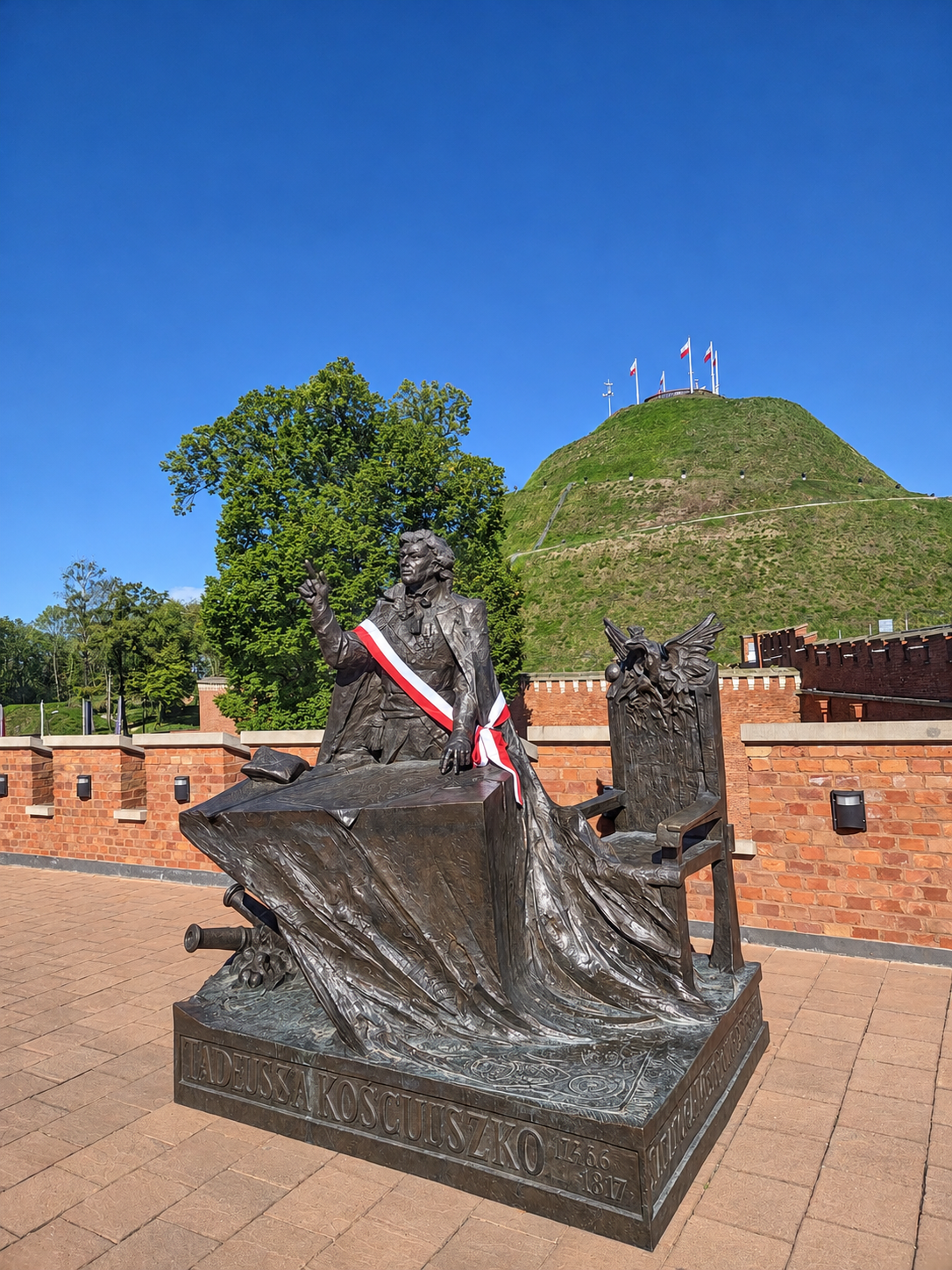
The extraordinary story of a Polish patriot who helped America win its independence and devoted his life to the freedom of his homeland.
When Americans think of the heroes of their War of Independence, names such as George Washington, Thomas Jefferson, and Benjamin Franklin usually come to mind. Far fewer people remember the Polish engineer and military commander whose knowledge helped secure one of the most important American victories of the war. His name was Tadeusz Kościuszko. He fought for American independence, led a national uprising in Poland, and believed that freedom should belong not only to kings, nobles, or wealthy landowners, but to ordinary people as well. His extraordinary life connected two continents and two struggles for liberty.
From Poland to the world
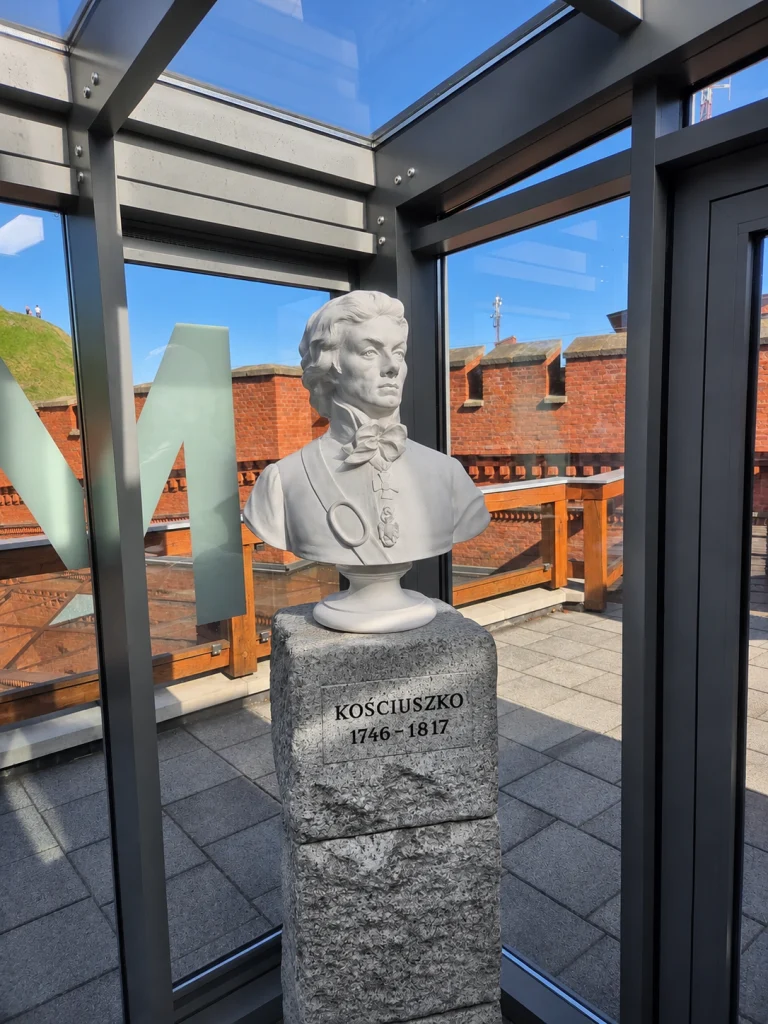
Andrzej Tadeusz Bonawentura Kościuszko was born in 1746 in the Polish-Lithuanian Commonwealth, in a region that today belongs to Belarus. He came from a family of modest nobility and received an education that eventually led him to the Corps of Cadets in Warsaw, a prestigious military academy established under King Stanisław August Poniatowski. His interests extended beyond military tactics. He studied mathematics, engineering, drawing, and subjects that would later prove essential to his career. Kościuszko continued his education in Paris, where he became familiar with new political and philosophical ideas circulating through Europe. The ideals of liberty, equality, and individual rights would remain central to his beliefs throughout his life.
A Polish volunteer in the American Revolution
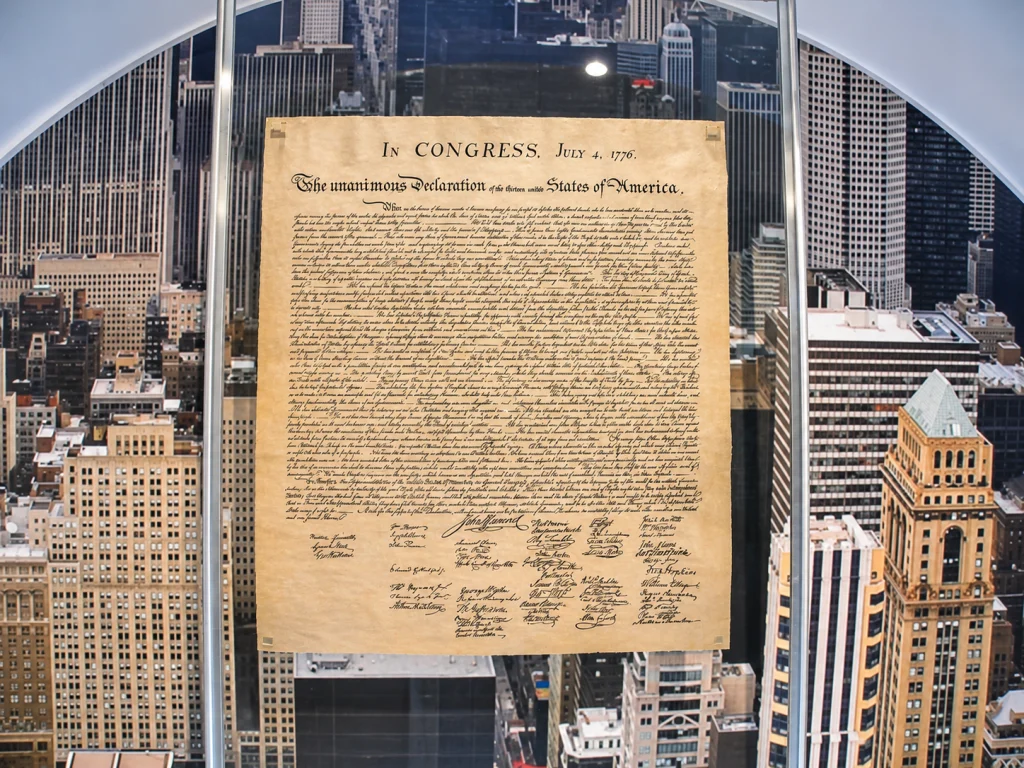
In 1776, as thirteen British colonies declared their independence, Kościuszko traveled to North America. He had no personal connection to the colonies and no homeland advantage to gain from their victory. What attracted him was the cause itself. The American Revolution offered an opportunity to fight for principles he believed in. Kościuszko joined the Continental Army as a military engineer. His work was not always as visible as that of generals leading troops into battle, but it proved enormously valuable. He understood how geography, fortifications, and carefully chosen defensive positions could change the outcome of a military campaign.
Saratoga – a victory that changed history
One of Kościuszko’s most important contributions came during the Saratoga campaign in 1777. He helped design defensive positions on the Hudson River, using the surrounding terrain to strengthen the American army’s position against advancing British forces. The American victory at Saratoga became a turning point in the Revolutionary War. It helped convince France that the Americans had a realistic chance of defeating Britain, contributing to the French decision to enter the conflict as an ally. Kościuszko was not the sole architect of the victory, but his engineering skills played a significant role. For a Polish volunteer thousands of miles from home, it was an extraordinary achievement.
West Point – a fortress before it became an academy
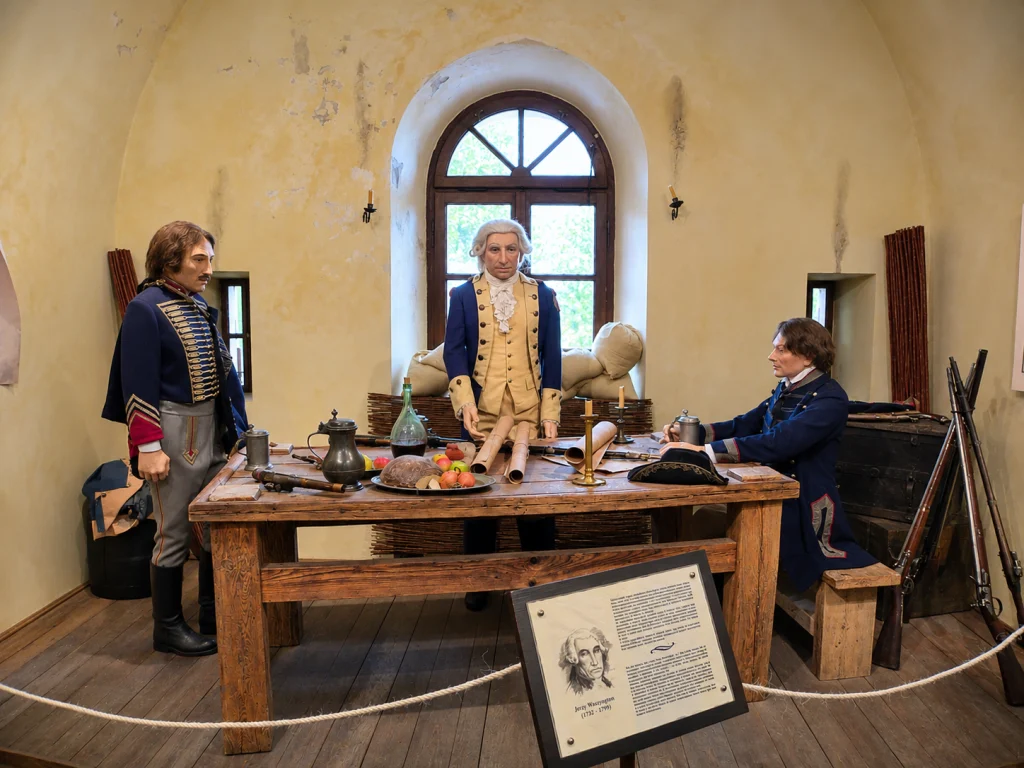
Kościuszko’s next major assignment took him to West Point, overlooking the Hudson River in New York. Today, West Point is famous as the home of the United States Military Academy. During the Revolutionary War, however, it was a strategically vital defensive position. Beginning in 1778, Kościuszko designed and supervised a network of fortifications intended to prevent British forces from controlling this crucial section of the river. The defenses included batteries, redoubts, and other military works protecting the surrounding heights. The Hudson River defenses also incorporated a massive iron chain stretched across the water to obstruct British warships. Kościuszko’s contribution helped make West Point one of the most important American strongholds of the war.
Fighting for freedom in the American south
Kościuszko later served in the southern campaign under General Nathanael Greene. As chief engineer, he helped the army plan movements, choose defensive positions, and navigate difficult terrain. His work included engineering support during the Siege of Ninety Six in South Carolina. Throughout the war, Kościuszko earned respect for his technical knowledge, determination, and personal character. After American independence was secured, he received recognition for his service and the rank of brigadier general. Yet his own country remained vulnerable to foreign powers. His next struggle would be far more personal.
Returning to a Poland fighting for its future
Kościuszko returned to Poland in 1784. The Polish-Lithuanian Commonwealth faced growing pressure from Russia and Prussia, while reformers attempted to strengthen the state. The adoption of the Constitution of May 3, 1791, represented a remarkable effort to modernize the Commonwealth’s political system. But the reforms provoked opposition, and war followed. Kościuszko fought in the Polish-Russian War of 1792, demonstrating the same military ability he had shown in America. When the king accepted defeat and joined the opposing political camp, Kościuszko left the country. He did not abandon the cause of Polish independence.
The Kościuszko Uprising of 1794
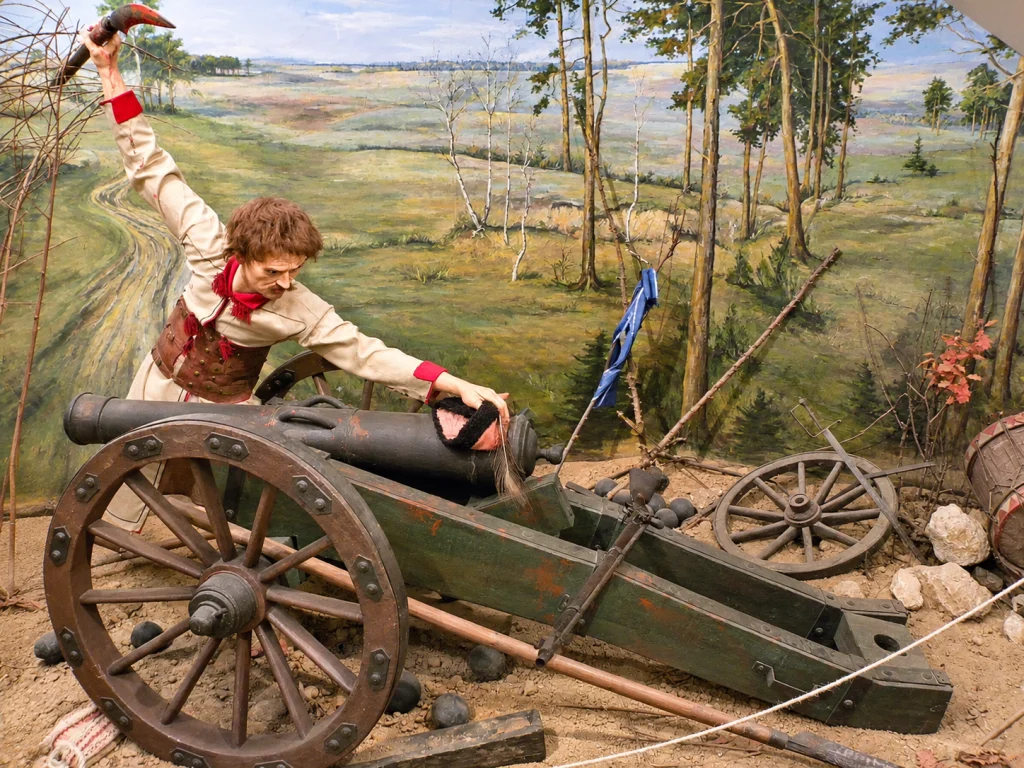
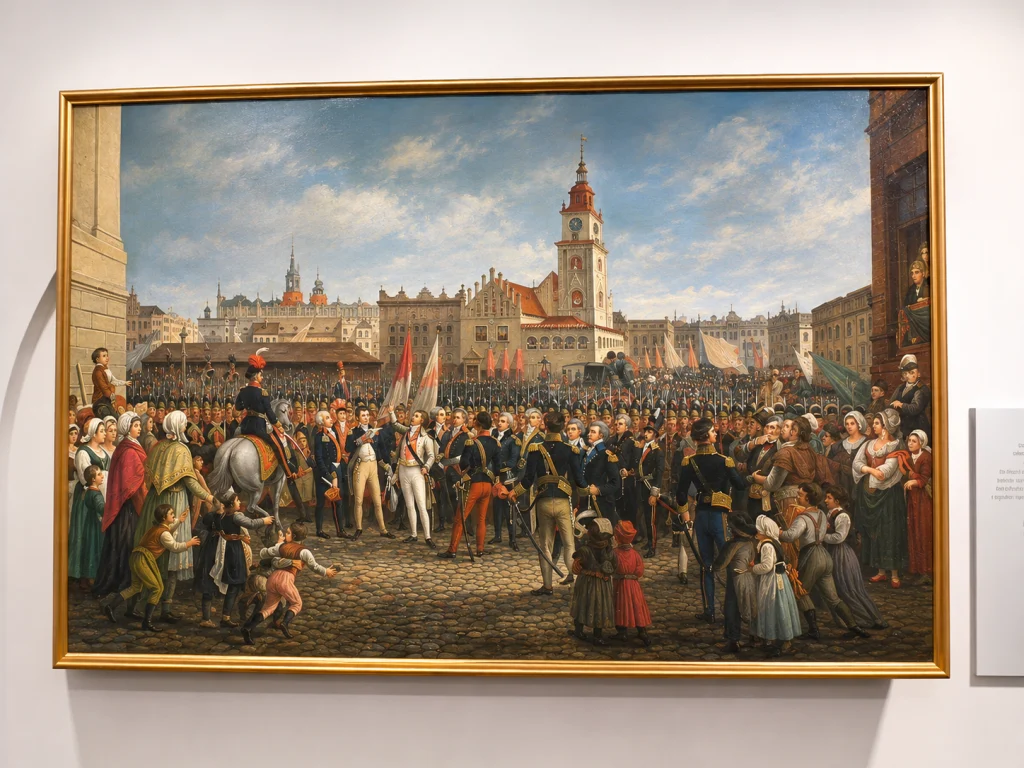
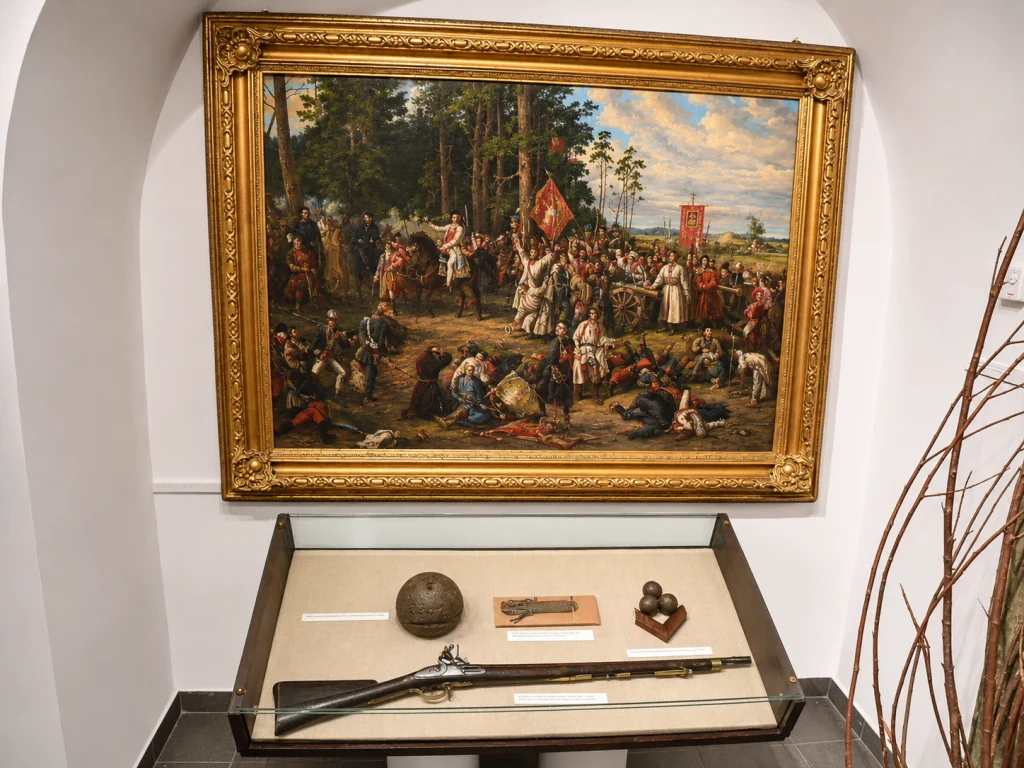
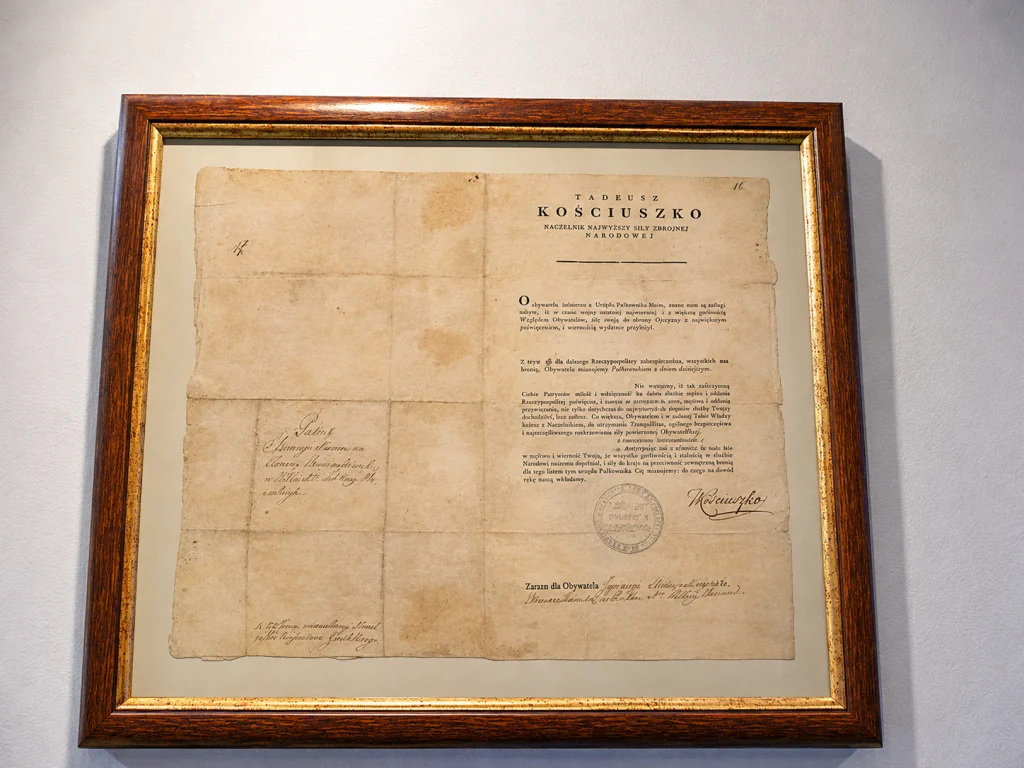
In March 1794, Kościuszko returned to lead a national insurrection against Russian domination. On March 24, in Kraków’s Main Market Square, he took a solemn oath and assumed leadership of the uprising. One of its most famous moments came on April 4, 1794, at the Battle of Racławice. Polish forces defeated a Russian detachment, with peasant volunteers armed with scythes playing an important role in the fighting. These volunteers became known as kosynierzy. The victory carried enormous symbolic significance. It showed that the struggle for independence could unite people from different social classes. Kościuszko also understood that peasants could not be expected to defend a country while remaining burdened by oppressive obligations. In the Proclamation of Połaniec, issued in May 1794, he introduced measures granting peasants personal protection and reducing certain feudal duties. Although these reforms were limited and difficult to enforce, they reflected his broader vision of freedom. Ultimately, the uprising was defeated. Kościuszko was wounded and captured at the Battle of Maciejowice in October 1794 and imprisoned in Russia. In 1795, the Third Partition erased the Polish-Lithuanian Commonwealth from the political map of Europe. Kościuszko would never see his homeland regain full independence.
Thomas Jefferson and the meaning of liberty
Kościuszko’s American friendships survived long after the Revolutionary War. Among the most important was his relationship with Thomas Jefferson. The two shared an interest in republican government and individual liberty, although their lives also revealed the contradictions of their era. Kościuszko opposed slavery and wanted his American assets used to help free and educate enslaved people. In a will prepared in 1798, he expressed his wish that funds owed to him in America be used for this purpose, including the liberation of people enslaved by Jefferson. Jefferson did not ultimately carry out this plan. Complications involving the estate and later legal proceedings prevented Kościuszko’s intentions from being fulfilled. The episode remains one of the most revealing aspects of his legacy. For Kościuszko, the ideal of liberty was not limited to the independence of nations. It also concerned the dignity and rights of individual human beings.
The final years of a revolutionary
After his release from Russian captivity, Kościuszko returned briefly to the United States before spending much of his remaining life in Europe. He continued to follow political developments and hoped that changing alliances might create an opportunity to restore Polish independence. He remained cautious about Napoleon Bonaparte, doubting whether the French emperor genuinely intended to support a fully independent Poland. Kościuszko died on October 15, 1817, in Solothurn, Switzerland. In 1818, his remains were brought to Kraków and placed in Wawel Cathedral, the resting place of Polish kings and national heroes. His life had taken him from the Polish-Lithuanian Commonwealth to France, America, Russia, and Switzerland. But the cause that defined him remained the same. Freedom.
Where can you discover Kościuszko’s legacy today?
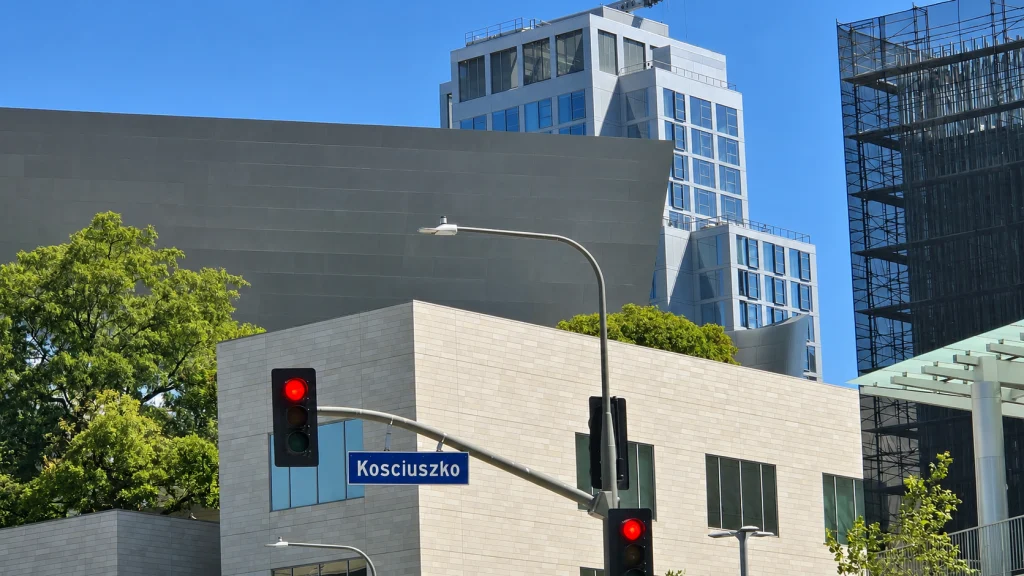
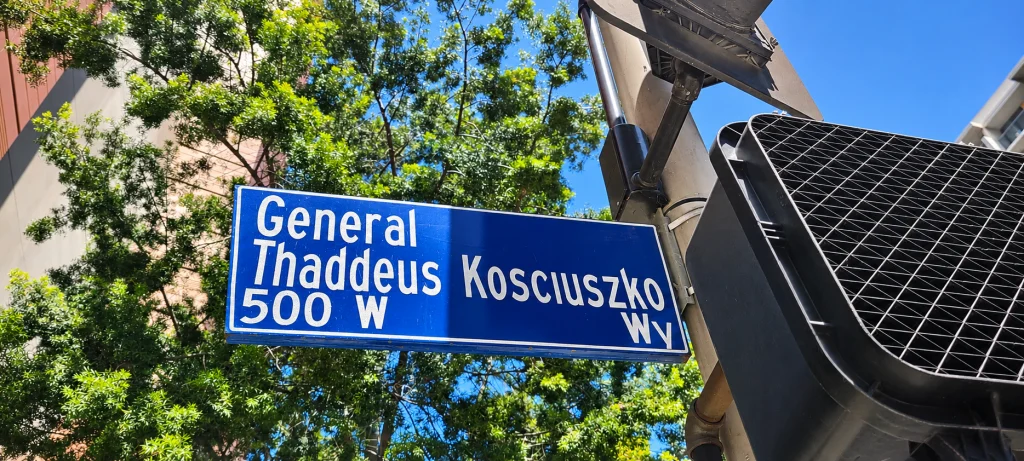
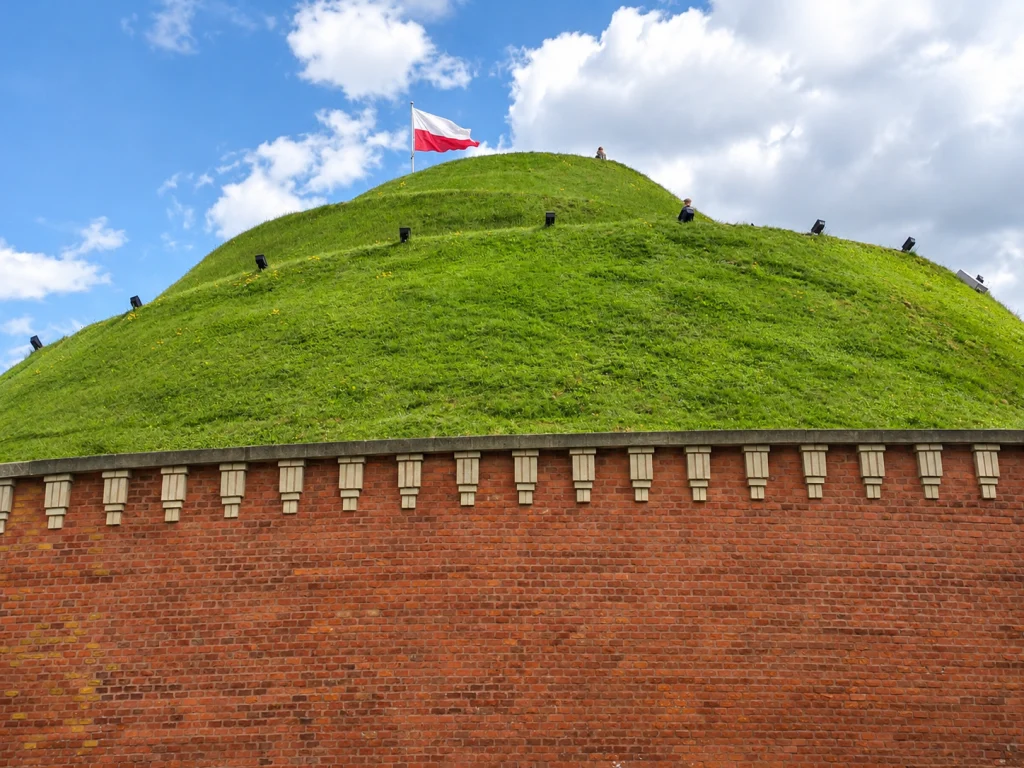
Kościuszko’s memory survives on both sides of the Atlantic. In the United States, visitors can explore the Thaddeus Kościuszko National Memorial in Philadelphia, where he lived during his return to America in the 1790s. Saratoga National Historical Park commemorates the campaign in which his engineering contributed to a decisive American victory. West Point preserves the history of the fortifications he helped create. Monuments, bridges, streets, and communities across the country also bear his name. In Poland, Kościuszko’s legacy is especially visible in Kraków. The Main Market Square is associated with his oath of March 24, 1794. Wawel Cathedral houses his tomb. And the monumental Kościuszko Mound, constructed in the nineteenth century, remains one of the city’s most recognizable memorials. These places remind visitors that his life belongs to the histories of both nations.
A hero of two nations – and an universal ideal
Tadeusz Kościuszko never became a king or president. He did not build an empire or accumulate great wealth. Instead, he devoted his abilities to causes he considered just. In America, he helped a young nation fight for independence. In Poland, he led a desperate struggle to preserve the freedom of his homeland. And in his personal beliefs, he reached beyond the political limitations of his time, arguing through his actions that liberty should not be reserved for a privileged few. Perhaps that is why his story remains so powerful more than two centuries after his death.
Kościuszko was not simply a Polish hero who fought in America. He was a man who believed that freedom was worth defending wherever it was threatened. And that makes him a remarkable hero of two nations.
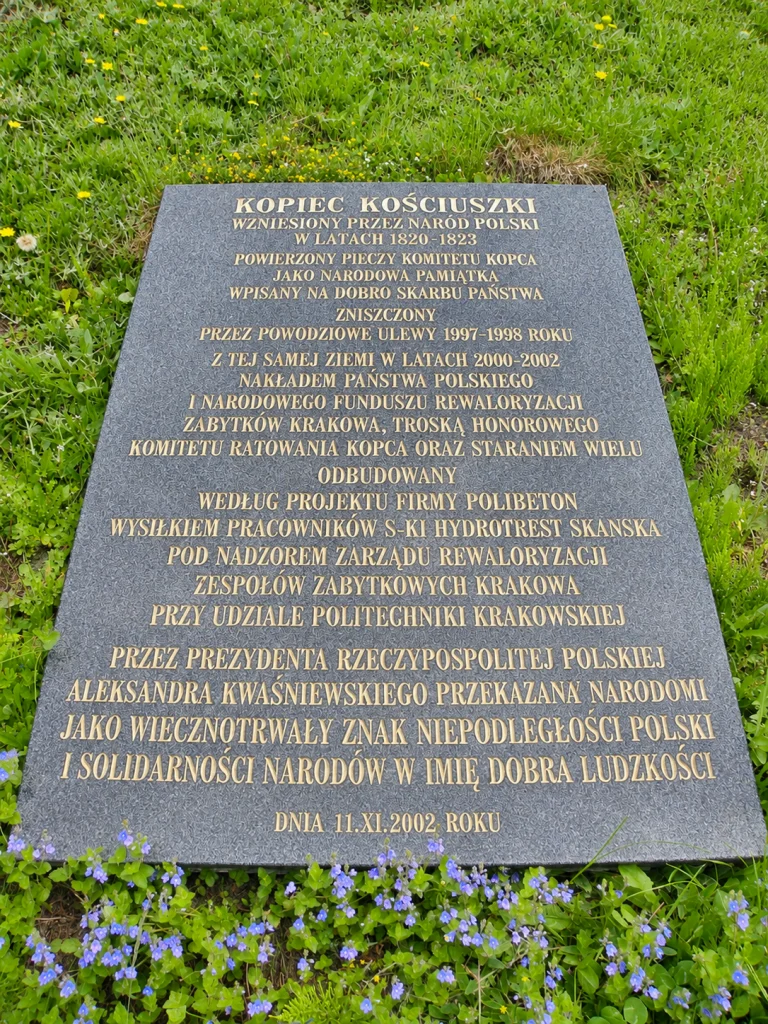
Visiting Kościuszko Mound in Kraków
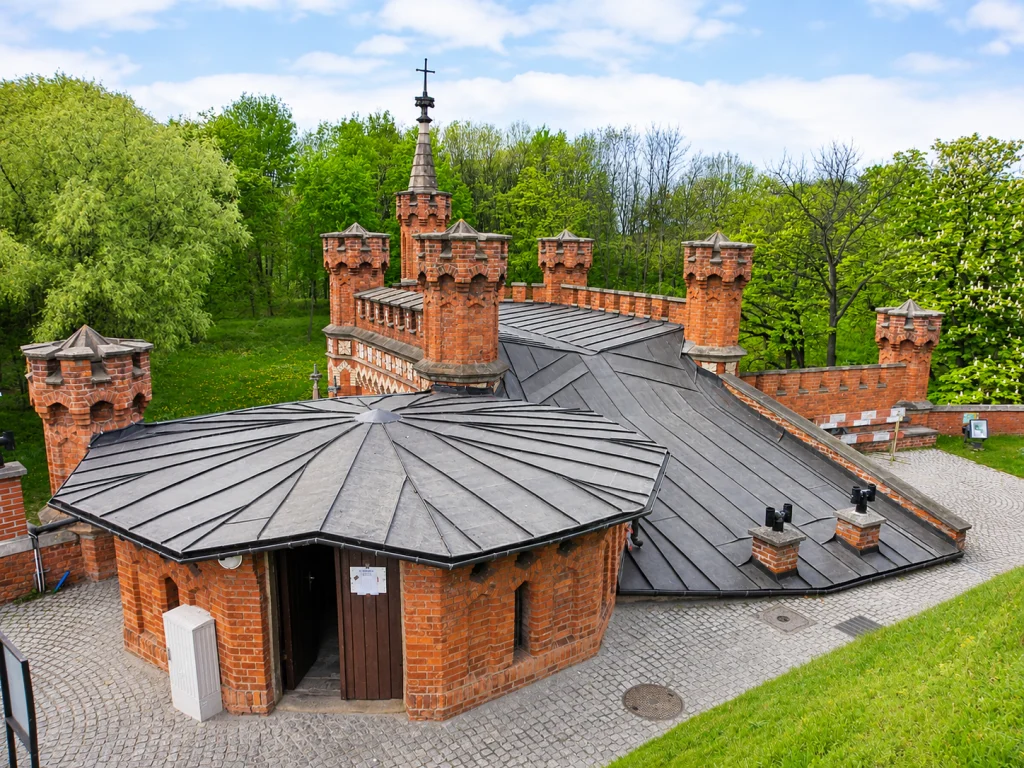
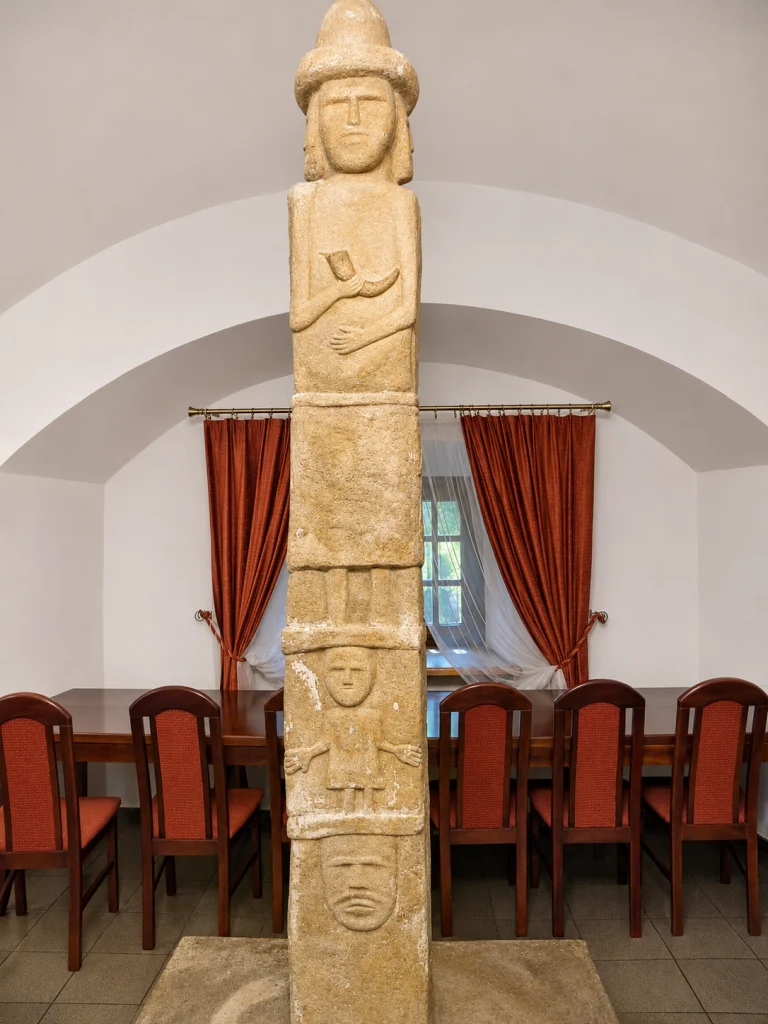
During one of my visits to Kraków, I had the opportunity to explore Kościuszko Mound and the surrounding historical complex. Standing at the foot of this impressive monument, with the Polish flag flying above it, I was reminded of how deeply Kościuszko’s legacy remains rooted in Polish history. The museum exhibits, historical paintings, and sculptures brought different chapters of his extraordinary life to life. What made the visit particularly meaningful to me was the connection between Poland and the United States – two countries that Kościuszko served and whose histories are forever linked through his remarkable story. Walking through the complex, I was reminded that history is not merely a collection of dates and battles. It is also the story of people whose courage and convictions continue to inspire generations.
Did you know about Tadeusz Kościuszko’s role in American independence? Share your thoughts in the comments.
Discover more fascinating historical figures and stories connecting Poland and the world on Discovering Our World.