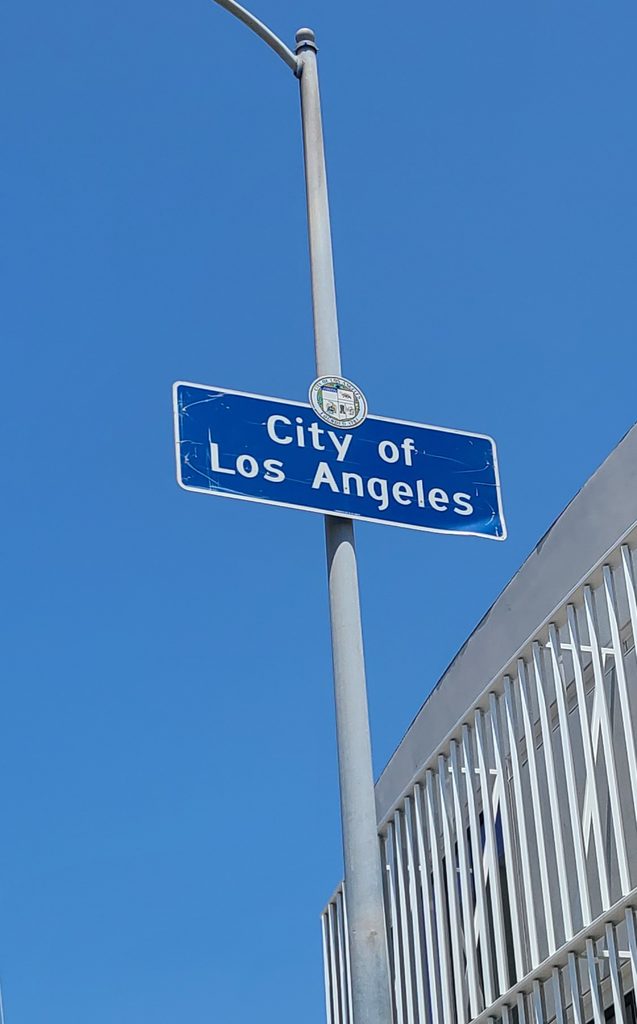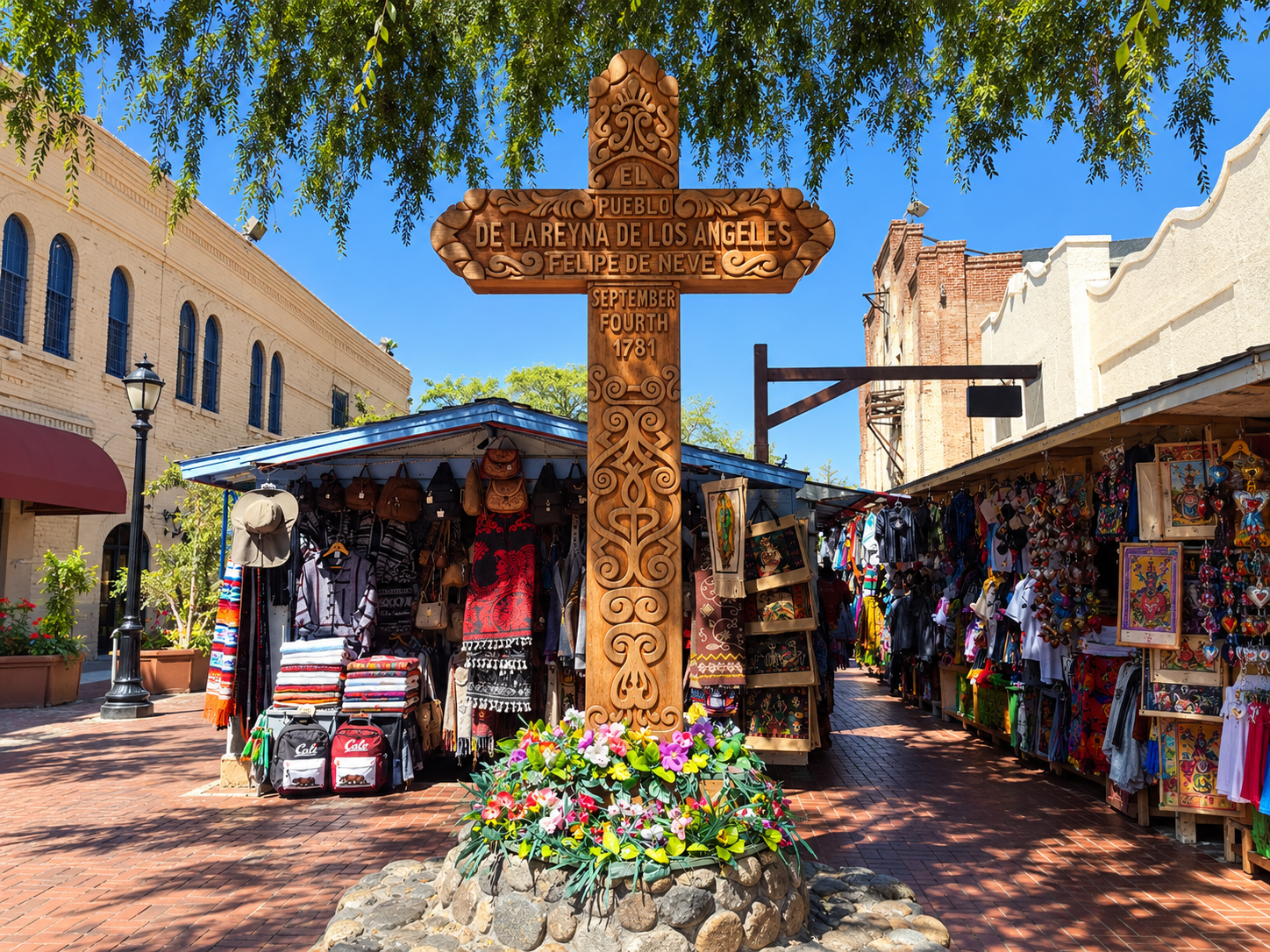
Today, Los Angeles is a sprawling metropolis famous for Hollywood, palm trees, beaches, movie stars, and traffic jams that sometimes seem to last forever. But rewind a couple of centuries, and the City of Angels looked nothing like the Los Angeles we know today. There were no freeways, skyscrapers, movie studios, or celebrity mansions. Instead, there were dusty roads, adobe houses, farmland, and a small settlement surrounded by a vast landscape.
So how did this modest pueblo become one of the most famous cities in the world?
The answer involves Spanish settlers, Mexican ranchers, American railroad tycoons, oil discoveries, ambitious filmmakers, and one very important ingredient: water.
Before Los Angeles, there was Yaanga
The history of Los Angeles did not begin in 1781. Long before the Spanish arrived, Indigenous peoples had lived in the Los Angeles Basin for thousands of years. Among them were the Tongva, whose communities occupied much of what is now Los Angeles and Orange counties. One of their important villages, Yaanga, stood near the Los Angeles River, close to the area where the city’s historic center would later develop. The Tongva maintained extensive trading networks, cultivated relationships with neighboring communities, and lived in a region rich in natural resources. Spanish colonization would dramatically change their world. Missions, ranches, introduced diseases, forced labor, and the loss of ancestral lands devastated Indigenous communities. Yet their descendants remain part of Southern California today.
1781: a pueblo is born
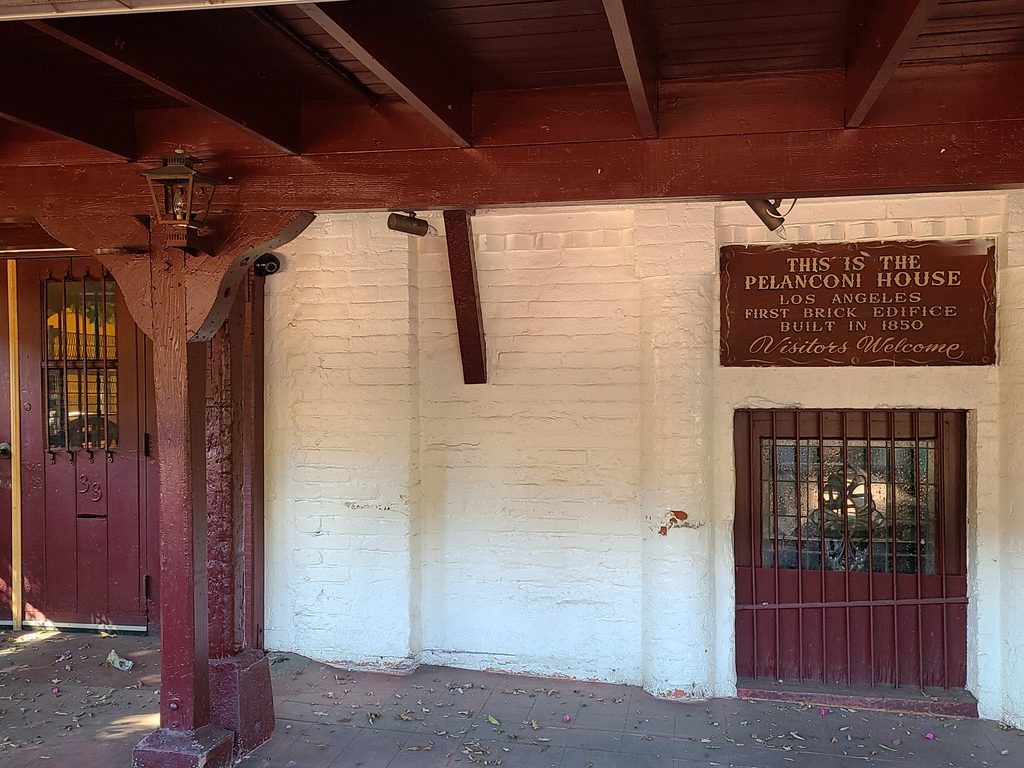
On September 4, 1781, a group of 44 settlers established a small agricultural community under Spanish authority. The settlement became known as El Pueblo de Los Ángeles. The settlers came from diverse backgrounds, including Indigenous, African, and European ancestry. Los Angeles was multicultural from its earliest colonial days, long before diversity became one of the city’s defining characteristics. The project was organized under California governor Felipe de Neve, who wanted to strengthen Spain’s presence in the region and establish an agricultural community that could help supply nearby military settlements. The settlers received land and supplies, and they began building homes and cultivating crops. It was hardly a glamorous beginning. No red carpets. No swimming pools. Not even a decent freeway. But the foundations of modern Los Angeles had been laid.
Why is it called the City of Angels?
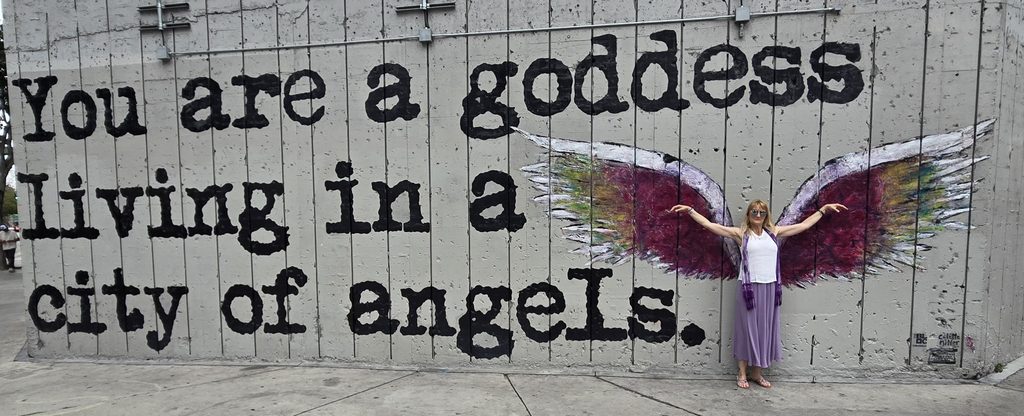
The name Los Angeles means “The Angels” in Spanish, but its history is considerably more elaborate. Spanish explorers had named the nearby river in honor of Our Lady, Queen of the Angels, drawing on Franciscan religious traditions associated with the Porziuncola chapel near Assisi, Italy. The pueblo’s historical name also honored Our Lady, Queen of the Angels, although historians have documented different versions of its full wording – El Pueblo de Nuestra Señora la Reina de los Ángeles de Porciúncula.
Fortunately for modern travelers, the name eventually became simply Los Angeles. Imagine trying to fit the longer version onto a highway sign!
From Spain to Mexico
For its first four decades, Los Angeles belonged to Spain’s colonial territory of Alta California. Then, in 1821, Mexico gained independence from Spain, and California became part of the new Mexican nation. Los Angeles entered its Mexican period. Large cattle ranches dominated the surrounding landscape. Wealthy ranching families, known as Californios, became influential figures in the region’s economy and politics. Cattle hides and tallow were valuable commodities, and ranching helped shape Southern California’s early identity. Los Angeles remained relatively small, but it was gradually becoming an important regional center. Then another country entered the picture.
1848: Los Angeles becomes American
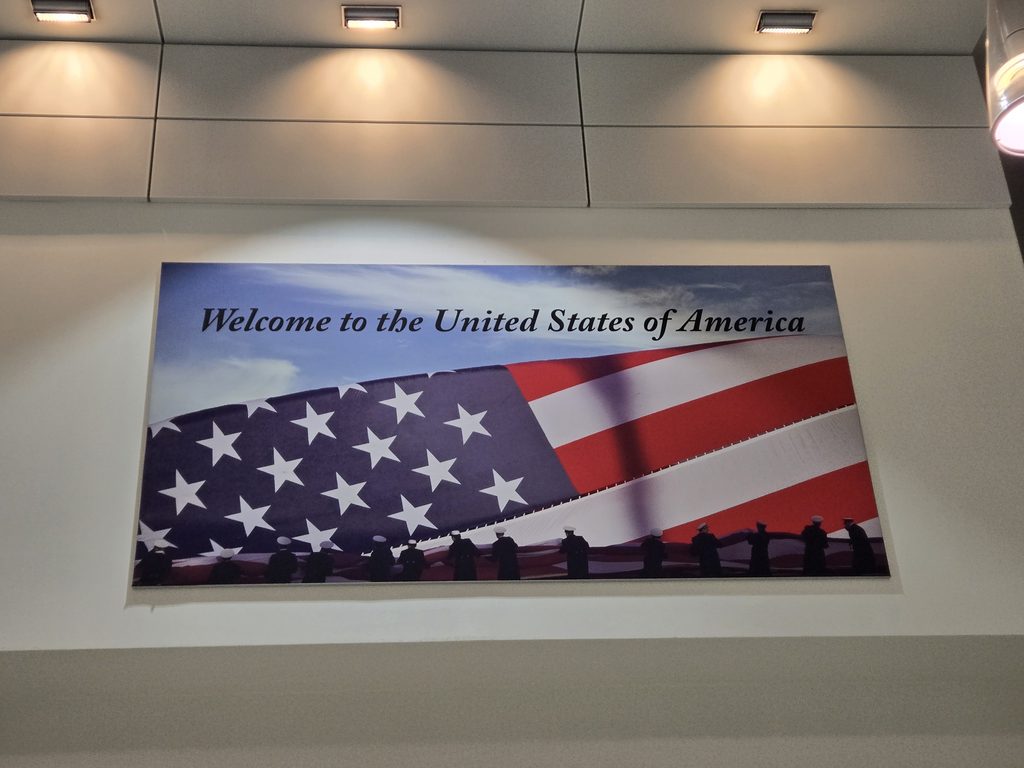
The Mexican-American War began in 1846, and California quickly became one of the territories contested by the two nations. Los Angeles changed hands during the conflict before American forces secured control in January 1847. The Treaty of Guadalupe Hidalgo, signed in 1848, formally transferred California and other vast territories from Mexico to the United States. Two years later, California became the 31st state, and Los Angeles was incorporated as an American city. But don’t imagine a polished, sophisticated metropolis. Mid-19th-century Los Angeles was a rough frontier town, with dusty streets, saloons, gambling establishments, and a reputation for violence. Its future as the entertainment capital of the world would have seemed rather unlikely.
The railroads change everything
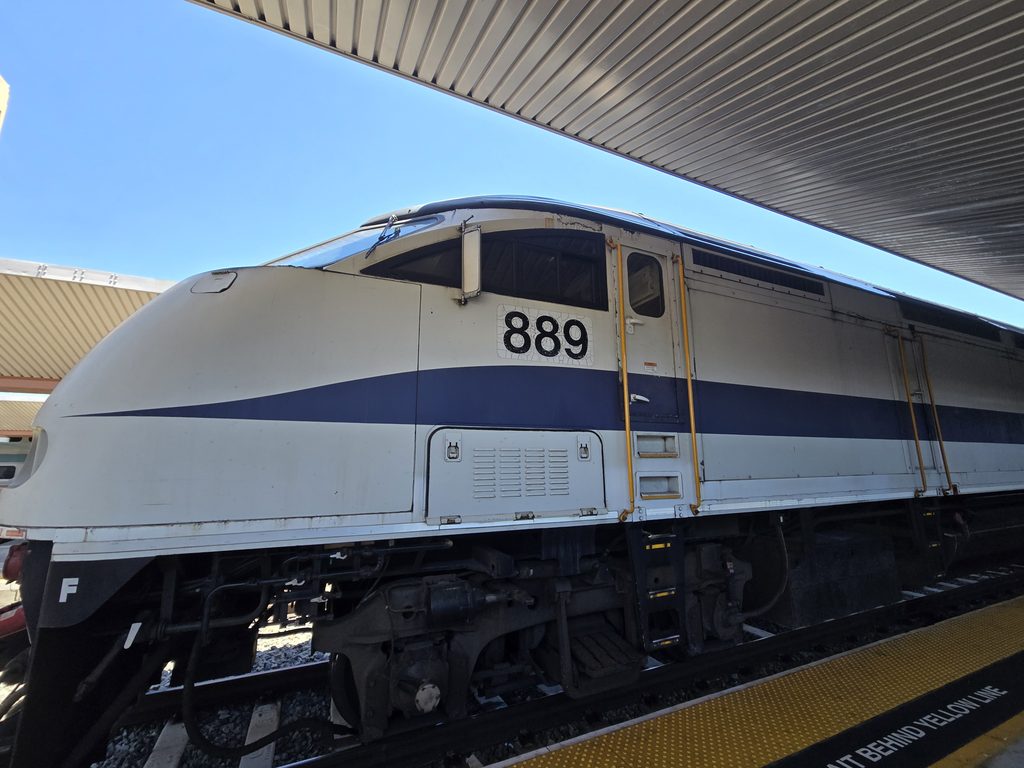
For decades, Los Angeles remained geographically isolated from much of the country. Travel was slow, transportation was expensive, and Southern California was far from the major population centers of the eastern United States. Then came the railroads. In 1876, the Southern Pacific Railroad connected Los Angeles to the northern California rail network. In 1885, the Santa Fe system established a competing transcontinental connection to Southern California. Competition between railroad companies drove passenger fares down dramatically. Suddenly, people who had only dreamed of California could actually afford to move there. Land developers promoted the region’s sunshine, mild winters, fertile soil, and seemingly endless opportunities. New residents arrived. Towns appeared. Citrus orchards expanded. Real estate speculation flourished. Los Angeles was no longer an isolated pueblo. It was becoming a boomtown.
Black gold beneath the city
As if the railroads weren’t enough, Los Angeles had another surprise waiting underground. Oil!
In 1892, Edward Doheny and Charles Canfield successfully drilled an oil well near what is now downtown Los Angeles, helping launch the city’s major oil boom. More discoveries followed, and Southern California became one of the country’s important petroleum-producing regions. Oil derricks appeared in neighborhoods that would eventually become densely populated urban districts. Today, it’s difficult to imagine oil wells standing among residential streets and commercial buildings, but petroleum was once a very visible part of the Los Angeles landscape. Oil brought investment, industry, jobs, and enormous wealth. It also left an environmental legacy that the region continues to confront.
The city that needed water
There was one major problem with all this growth. Los Angeles was expanding much faster than its local water supplies could comfortably support. The Los Angeles River and groundwater sources had helped sustain the early settlement, but a rapidly growing city needed much more. Enter William Mulholland, the engineer closely associated with the construction of the Los Angeles Aqueduct. Completed in 1913, the aqueduct brought water from the Owens Valley, more than 200 miles away. For Los Angeles, it was a turning point. The new water supply made further urban expansion possible. For communities in the Owens Valley, however, the diversion of water brought serious economic and environmental consequences. The story of Los Angeles is therefore also a story about who controlled water and who paid the price for the city’s growth.
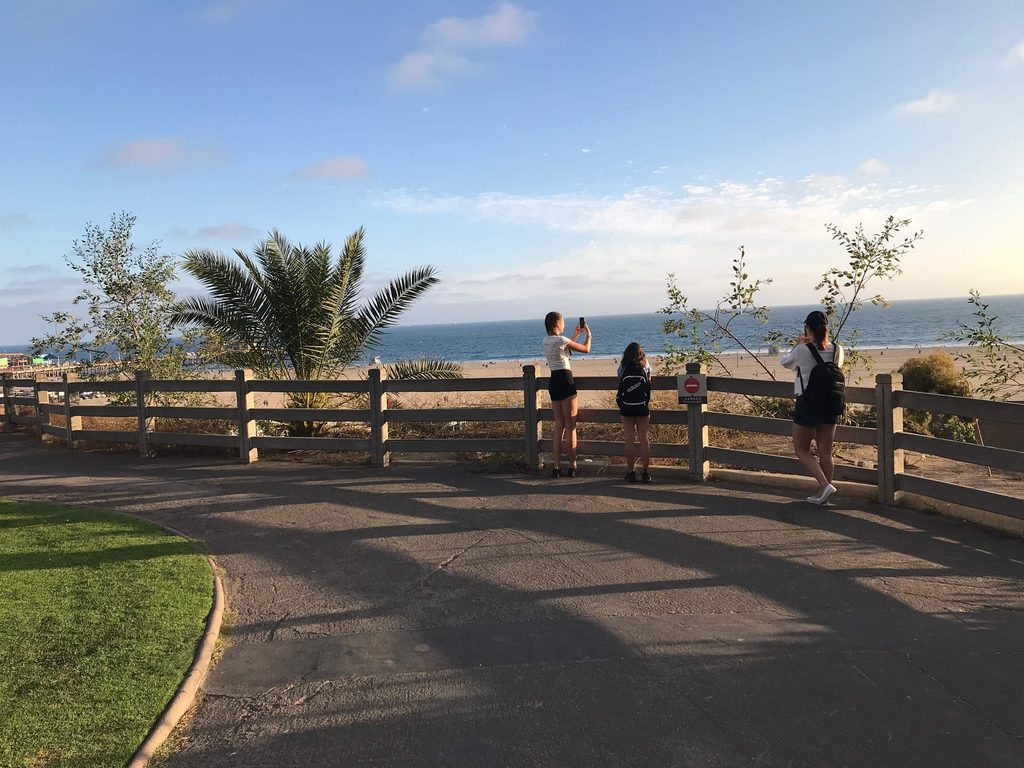
Hollywood: Lights, Camera, Action!
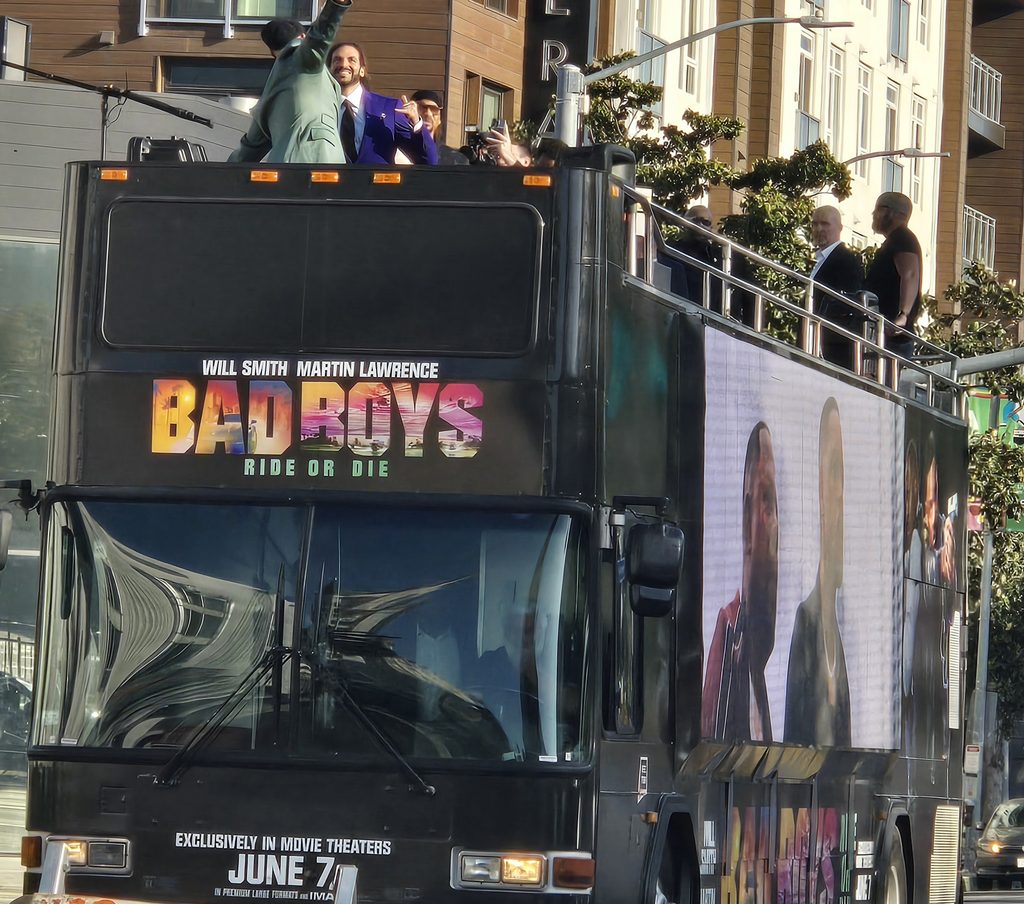
At the beginning of the 20th century, the American film industry was largely concentrated on the East Coast. So why did filmmakers begin moving to Southern California? For starters, the weather was nearly perfect for making movies. Before modern studio lighting, reliable sunshine was a tremendous advantage. Southern California also offered an extraordinary variety of scenery: beaches, mountains, deserts, ranches, and urban streets, all within relatively short distances. Film companies could shoot scenes set in entirely different parts of the world without traveling very far. The region’s distance from the East Coast film industry’s powerful patent interests, including those associated with Thomas Edison, may also have influenced some early filmmakers. But sunshine, scenery, and business opportunities were central to Hollywood’s rise. Hollywood itself began as a separate community in the late 19th century and became part of Los Angeles in 1910. In 1911, the Nestor Film Company opened a studio in Hollywood. More production companies soon followed. By the 1920s, Los Angeles was becoming the center of American filmmaking. Silent movies, glamorous premieres, legendary stars, and enormous studios transformed Hollywood into an international symbol of fame and imagination. A place that had once been surrounded by agricultural land was now manufacturing dreams for audiences around the world.
From movie town to metropolis
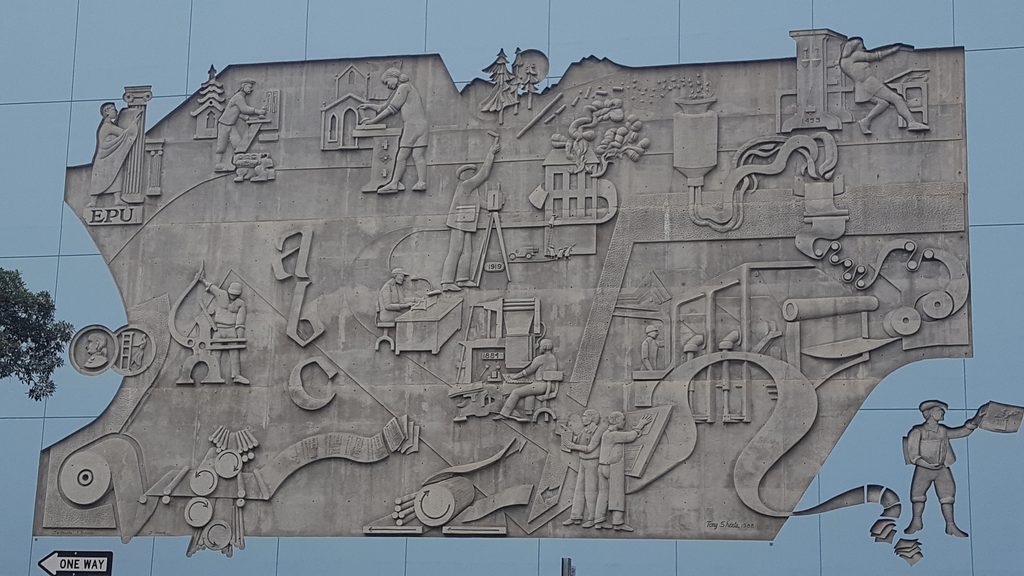
Hollywood was only one part of the transformation. During the 20th century, Los Angeles became a major center for manufacturing, international trade, aviation, and aerospace. World War II accelerated industrial development, particularly in aircraft production. Companies such as Lockheed and Douglas employed large numbers of workers across Southern California. After the war, suburban neighborhoods spread across the region, and freeways became an increasingly dominant feature of daily life. Los Angeles also grew through immigration and migration, attracting people from Mexico, Central America, Asia, Europe, and elsewhere in the United States. These communities shaped the city’s neighborhoods, food, music, architecture, businesses, and cultural identity. The result was a city unlike any other: enormous, diverse, sometimes chaotic, and constantly reinventing itself.
Where can you still see historic Los Angeles?
Despite its modern appearance, Los Angeles hasn’t completely erased its past. You just need to know where to look.
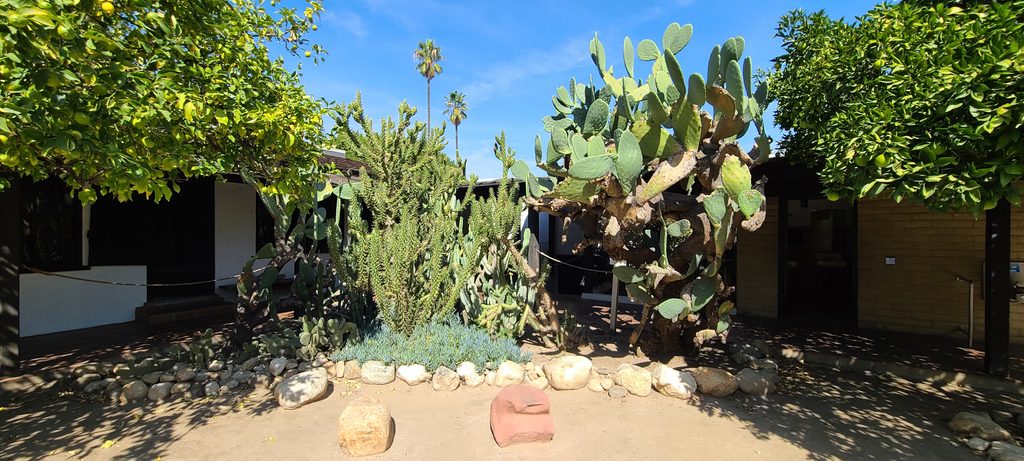
El Pueblo de Los Angeles Historical Monument marks the historic heart of the city. Here, visitors can explore the old plaza, see surviving buildings from the early Los Angeles period, and learn about the settlement’s Spanish and Mexican heritage.
Olvera Street, developed as a Mexican-style marketplace in 1930, is one of the city’s best-known historic attractions. Although the marketplace itself is a 20th-century creation, the surrounding district preserves important connections to early Los Angeles.
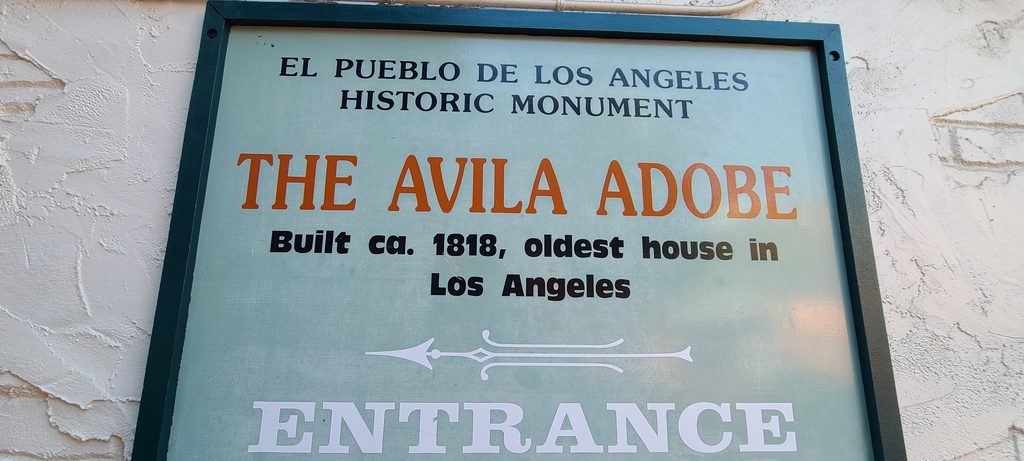
Avila Adobe, built in 1818, is the oldest surviving house in the city and offers a glimpse into domestic life during the Mexican-era transition.
Union Station, opened in 1939, recalls the age when railroads helped transform Los Angeles into a major transportation hub.
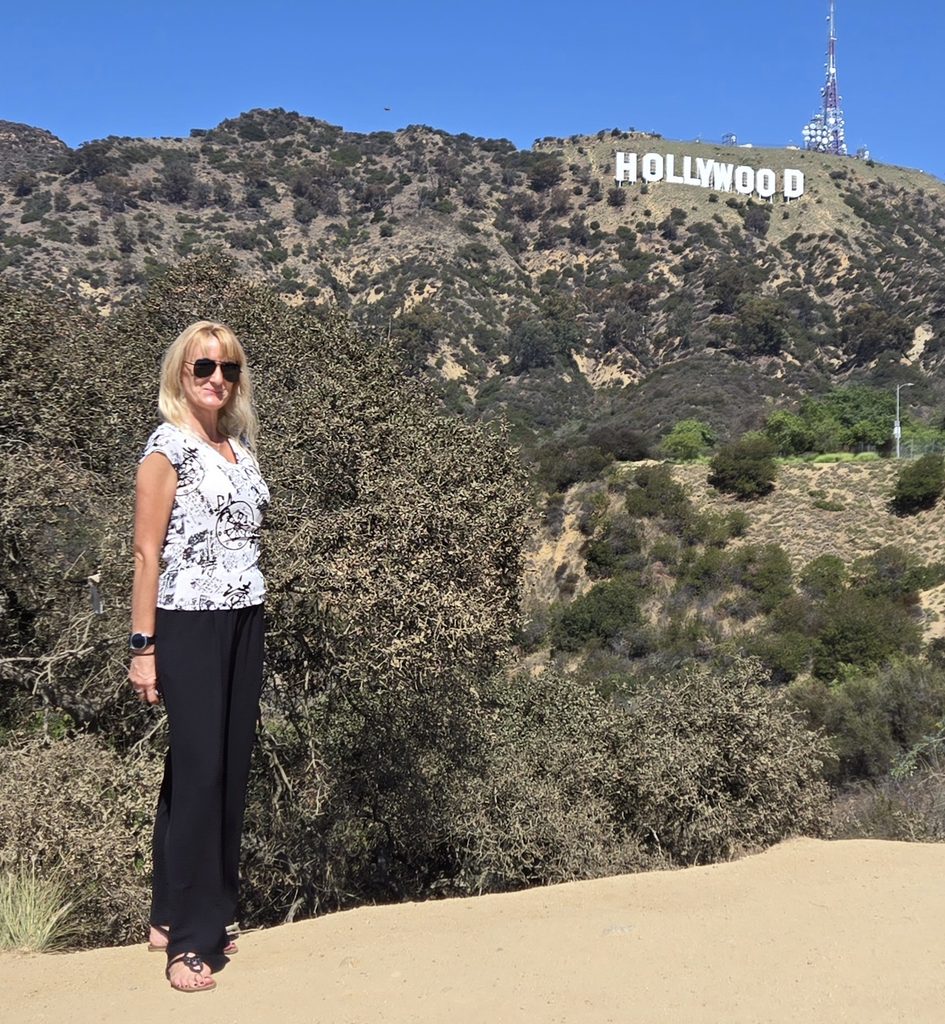
And then there’s Hollywood, where historic theaters, studios, and landmarks continue to remind visitors of the industry’s remarkable rise.
Each location tells a different chapter of the same extraordinary story.
A city that never stops reinventing itself
Los Angeles has been an Indigenous homeland, a Spanish pueblo, a Mexican town, an American frontier community, a railroad boomtown, an oil center, a filmmaking capital, and an aerospace powerhouse. Today, it is all of those histories layered together. The City of Angels may be famous for its beaches, celebrities, and palm-lined boulevards, but its real story is far more interesting than the postcards suggest. Next time you’re walking through downtown Los Angeles, exploring Olvera Street, or looking up at the Hollywood Sign, remember that this enormous metropolis began as a small settlement beside a river.
And that, perhaps, is the most remarkable thing about Los Angeles. It never stopped dreaming bigger.