There are few things in life as comforting as a good cup of tea. It can wake us up in the morning, warm us on a cold afternoon, or provide a welcome excuse to sit down and forget about the world for a few minutes. But behind this seemingly ordinary drink lies an extraordinary story involving ancient emperors, Buddhist monks, international trade, espionage, and even wars. So put the kettle on, find your favorite cup, and discover how a handful of leaves became one of the world’s most beloved beverages.
An Emperor, a falling leaf, and an ancient legend
According to Chinese legend, tea was discovered by Shennong, the mythical Divine Farmer, who taught people about agriculture and medicinal plants. One story claims that Shennong tasted hundreds of herbs while searching for useful plants, poisoning himself dozens of times in the process. On one occasion, a leaf from a tea plant supposedly found its way into his mouth and saved his life. Another version describes tea leaves falling into a pot of boiling water while the emperor rested beneath a tree. Intrigued by the aroma, he tasted the infusion and discovered a refreshing new drink.
Neither story is historical fact, and tea certainly isn’t an antidote to poisoning. Nevertheless, these legends demonstrate how deeply tea is rooted in Chinese culture. Archaeological evidence suggests that people in China were using tea thousands of years ago, long before it became the familiar beverage we know today.
At first, tea leaves were sometimes eaten as food or cooked with other ingredients. Gradually, people began experimenting with drying, steaming, roasting, and brewing them. By the Tang dynasty (618–907), tea had become an important part of Chinese society. It inspired poetry, paintings, philosophical discussions, and an entire culture of appreciation. In the eighth century, the writer Lu Yu composed The Classic of Tea, one of the earliest comprehensive works devoted to tea cultivation, preparation, and enjoyment. Tea was no longer simply a plant. It had become an art.
From China to Japan
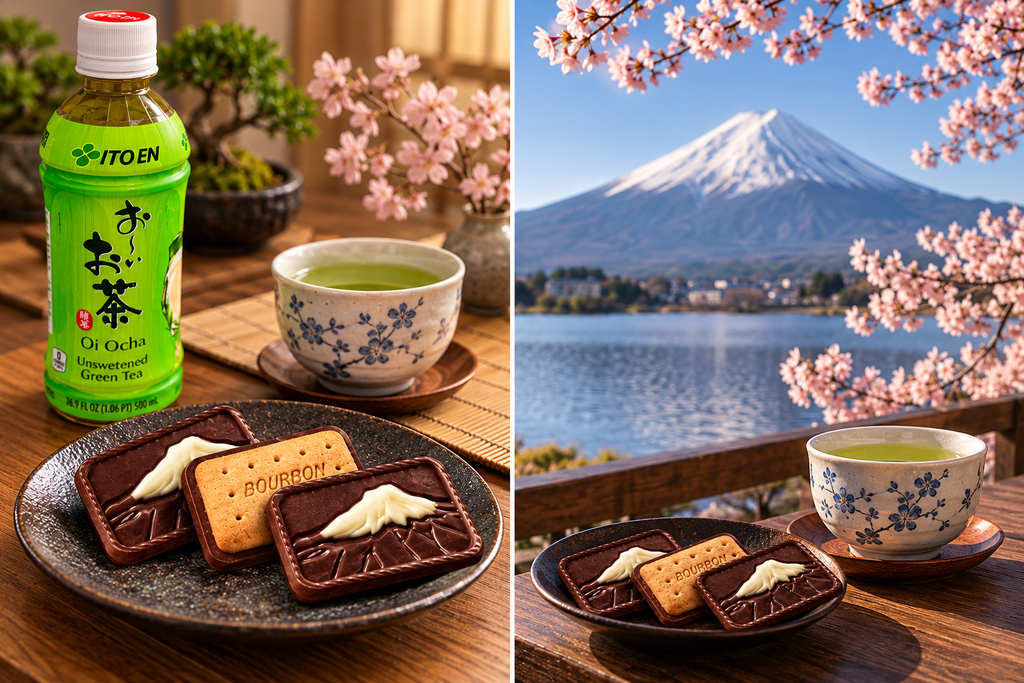
Tea reached Japan through cultural and religious exchanges with China. Buddhist monks played an important role in introducing the drink, which helped them remain alert during long periods of meditation. Over the centuries, the Japanese developed their own traditions of tea preparation. One of the most famous is the Japanese tea ceremony, known as chanoyu or chado, the Way of Tea. More than simply preparing a beverage, the ceremony emphasizes harmony, respect, purity, and tranquility. Every movement has meaning, from arranging the utensils to presenting the bowl of powdered green tea, known as matcha. What might appear to be an ordinary cup of tea becomes an opportunity to appreciate simplicity, beauty, and the present moment.
How tea conquered Europe
For centuries, China remained the center of tea production and trade. European merchants encountered tea through expanding trade routes, and by the early seventeenth century, Dutch traders were bringing it to Europe. Initially, tea was an expensive luxury available mainly to wealthy households. In England, its popularity increased during the reign of King Charles II. His Portuguese wife, Catherine of Braganza, who married him in 1662, is often credited with helping establish tea drinking as a fashionable aristocratic custom. Before long, tea became an important part of British social life. Tea shops appeared, elaborate tea services became fashionable, and the beverage gradually moved beyond wealthy drawing rooms. Eventually, Britain developed one of the world’s most recognizable tea traditions: afternoon tea. Although people had been drinking tea in Britain for generations, the fashionable afternoon tea gathering became particularly associated with the nineteenth century. What began as an exotic imported luxury had become a national institution.
Tea, opium, and international espionage
Tea’s history wasn’t always peaceful. By the eighteenth century, British demand for Chinese tea had grown enormously. Because China had limited interest in many British manufactured goods, British merchants paid for tea largely with silver. The resulting trade imbalance became a major concern. British merchants increasingly participated in the illegal opium trade into China, contributing to widespread addiction and serious social problems. In 1839, Chinese authorities confiscated and destroyed large quantities of opium at Canton, now Guangzhou. The confrontation helped trigger the First Opium War between Britain and China. The conflict ended in 1842 with the Treaty of Nanking, which forced China to open additional ports to British trade and cede Hong Kong Island to Britain. Meanwhile, the British were determined to reduce their dependence on Chinese tea. Enter Robert Fortune, a Scottish botanist whose adventures sound like something from a spy novel. In the nineteenth century, Fortune traveled through China, sometimes disguising himself in Chinese clothing, to obtain tea plants, seeds, and knowledge of tea production. He helped transfer Chinese tea plants and expertise to British-controlled India. However, tea was already growing in northeastern India, particularly Assam, where Indigenous communities had long known the plant. The development of large tea plantations in India and, later, Ceylon (now Sri Lanka) transformed the global tea industry. Tea gradually became more affordable and accessible to ordinary households.
And the rest, as they say, is history.
One plant, many different teas
Walk into a specialty tea shop today and you’ll encounter an astonishing variety of names, colors, aromas, and flavors. Yet most traditional teas come from the same plant: Camellia sinensis. Two important botanical varieties are Camellia sinensis var. sinensis, associated with China, and var. assamica, associated with Assam and other warmer growing regions. What makes different teas distinctive is largely how the leaves are processed after harvesting. The key difference is oxidation, a chemical process that changes the leaves’ color, flavor, and aroma. Some teas are also aged or undergo microbial fermentation.

Green Tea
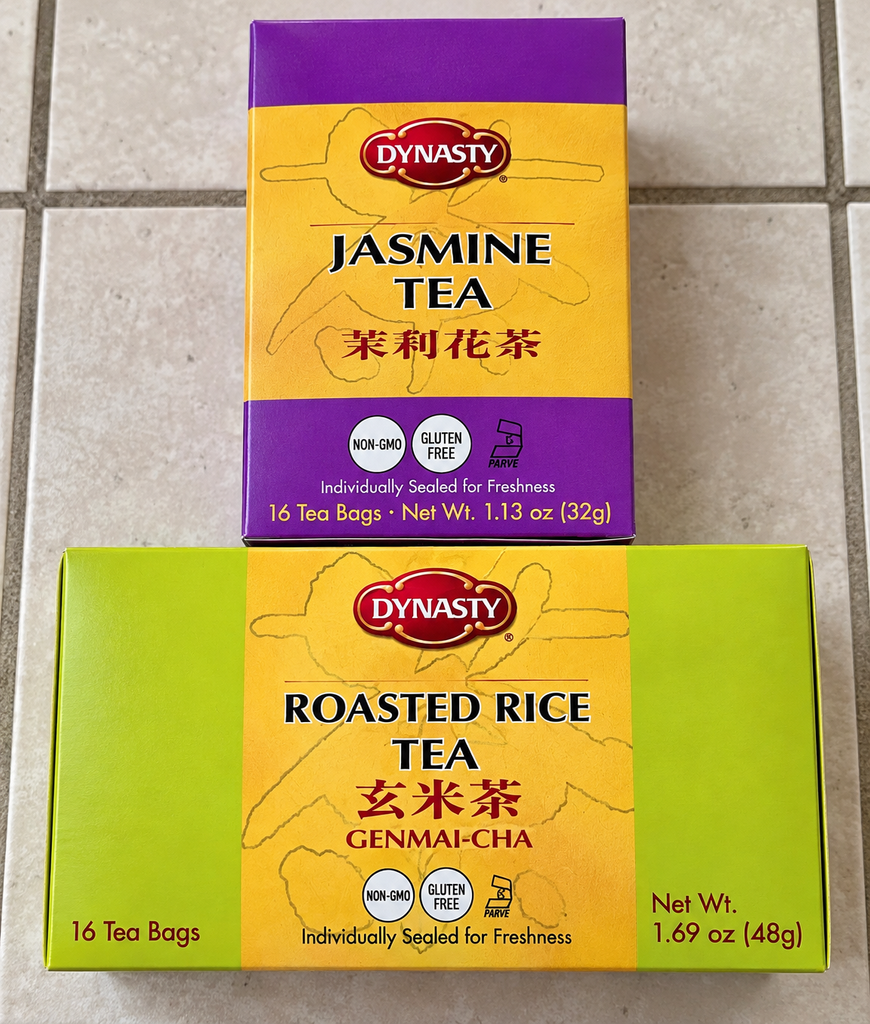
Green tea is especially popular in China and Japan. After harvesting, the leaves are heated relatively quickly to limit oxidation. This helps preserve their green color and fresh, sometimes grassy or vegetal flavor. Chinese green teas are often pan-fired, while many Japanese varieties are steamed. Well-known examples include Longjing (Dragon Well), Sencha, Gyokuro, and Matcha. Green tea is usually best prepared with water below boiling temperature, often around 70–85°C (158–185°F), depending on the variety. Using boiling water can make some delicate green teas taste unpleasantly bitter.
Black tea
Black tea undergoes extensive oxidation, producing its characteristic dark color and rich flavor. It is particularly popular in Britain, Ireland, India, and many other parts of the world. Famous varieties include Assam, Darjeeling, Ceylon, and Keemun. Black tea is also the foundation of familiar blends such as English Breakfast and Earl Grey, the latter traditionally flavored with bergamot. It generally tolerates hotter water than green tea and is often brewed close to boiling.
White tea
White tea is among the least extensively processed traditional teas. The young buds and leaves are generally withered and dried, allowing some natural oxidation. Its flavor is often delicate, floral, or subtly sweet. Silver Needle and White Peony are two well-known varieties. Despite its gentle taste, white tea still contains caffeine, and its caffeine content can vary considerably.
Oolong tea
Oolong occupies a fascinating middle ground between green and black tea. Its leaves are partially oxidized, and processing methods vary widely. Some oolongs are light, floral, and almost green in appearance. Others are dark, roasted, and richly aromatic. Popular examples include Tieguanyin and Da Hong Pao. Oolong teas are especially associated with China and Taiwan.
Pu-erh tea
Pu-erh comes primarily from China’s Yunnan province and is particularly famous for its earthy, complex flavors. Unlike ordinary black or green tea, some pu-erh teas undergo microbial fermentation and aging. Traditionally, pu-erh may be compressed into cakes or bricks, making it convenient to store and transport. There are two major styles: raw (sheng) and ripe (shou) pu-erh. Some varieties develop their character over years, attracting collectors much as aged wines do.
Yellow tea
Less familiar outside China, yellow tea is a relatively rare traditional variety. Its production involves a controlled processing stage that gives it a softer, mellower character than many green teas. Because production can be labor-intensive, genuine yellow tea is often more expensive and difficult to find.
What about herbal teas and Yerba Mate?
Not everything we call tea actually comes from the tea plant. Chamomile, peppermint, rooibos, and hibiscus are technically herbal infusions, sometimes called tisanes. They can be delicious, but their ingredients and effects differ from those of traditional tea. Yerba mate, widely enjoyed in Argentina, Uruguay, Paraguay, and southern Brazil, is another example. Made from the leaves of Ilex paraguariensis, it is a caffeinated South American infusion traditionally shared from a gourd through a metal straw called a bombilla. Although often grouped with teas, yerba mate comes from a completely different plant.

Is tea good for your health?
For centuries, people have associated tea with health and well-being. Modern researchers have investigated many of its natural compounds, particularly polyphenols, which include substances with antioxidant activity. But it’s important to distinguish promising research from proven medical benefits.
Antioxidants and polyphenols
Tea contains polyphenols, including catechins and other compounds that can act as antioxidants in laboratory experiments. Green tea is particularly associated with catechins such as EGCG, while black tea contains theaflavins and thearubigins formed during oxidation. These compounds are scientifically interesting, but their presence doesn’t mean that drinking tea will automatically prevent disease or reverse aging. The human body is far more complicated than a laboratory experiment.
Heart health
Some observational studies have found associations between regular tea consumption and a lower risk of certain cardiovascular problems. Researchers have also examined whether tea compounds may influence blood pressure, cholesterol, and blood vessel function. However, observational studies cannot establish that tea itself causes better health outcomes. Diet, exercise, smoking, genetics, and many other factors also matter. Tea can certainly be part of a balanced lifestyle, but it isn’t a substitute for medical treatment or established heart-health recommendations.
Caffeine: a gentle boost?
Tea naturally contains caffeine, which can increase alertness and temporarily reduce feelings of fatigue. Contrary to a common misconception, brewed coffee generally contains more caffeine per serving than brewed tea. The exact amount in tea depends on the variety, quantity of leaves, water temperature, and brewing time. Tea also contains L-theanine, an amino acid that researchers have studied for its possible effects on attention and relaxation. Together, caffeine and L-theanine may contribute to the distinctive experience of feeling alert while enjoying a calming tea ritual. However, the effects vary from person to person. Too much caffeine can cause insomnia, nervousness, palpitations, or digestive discomfort.
Does tea prevent cancer?
Researchers have studied tea and its compounds for possible relationships with cancer risk. Some laboratory findings are promising, but studies involving humans have produced inconsistent results. At present, there isn’t sufficient evidence to claim that drinking tea prevents or treats cancer. Tea should be enjoyed as a beverage, not regarded as a cancer-prevention treatment.
Can tea interfere with iron absorption?
Yes, under certain circumstances. Compounds called tannins and other polyphenols can reduce the absorption of non-heme iron, the form found in plant-based foods. This may be particularly relevant to people who have low iron levels or are at risk of iron deficiency. For those individuals, drinking tea between meals rather than alongside iron-rich meals may be helpful. Anyone taking iron supplements should follow their healthcare professional’s instructions about timing. And despite some traditional claims, strong tea is not an antidote to poisoning.

Tea traditions around the world
Perhaps the most beautiful thing about tea is how differently people enjoy it.
- In Japan, the tea ceremony is an expression of mindfulness and hospitality.
- In China, gongfu cha emphasizes careful brewing, small vessels, and multiple infusions that reveal changing flavors.
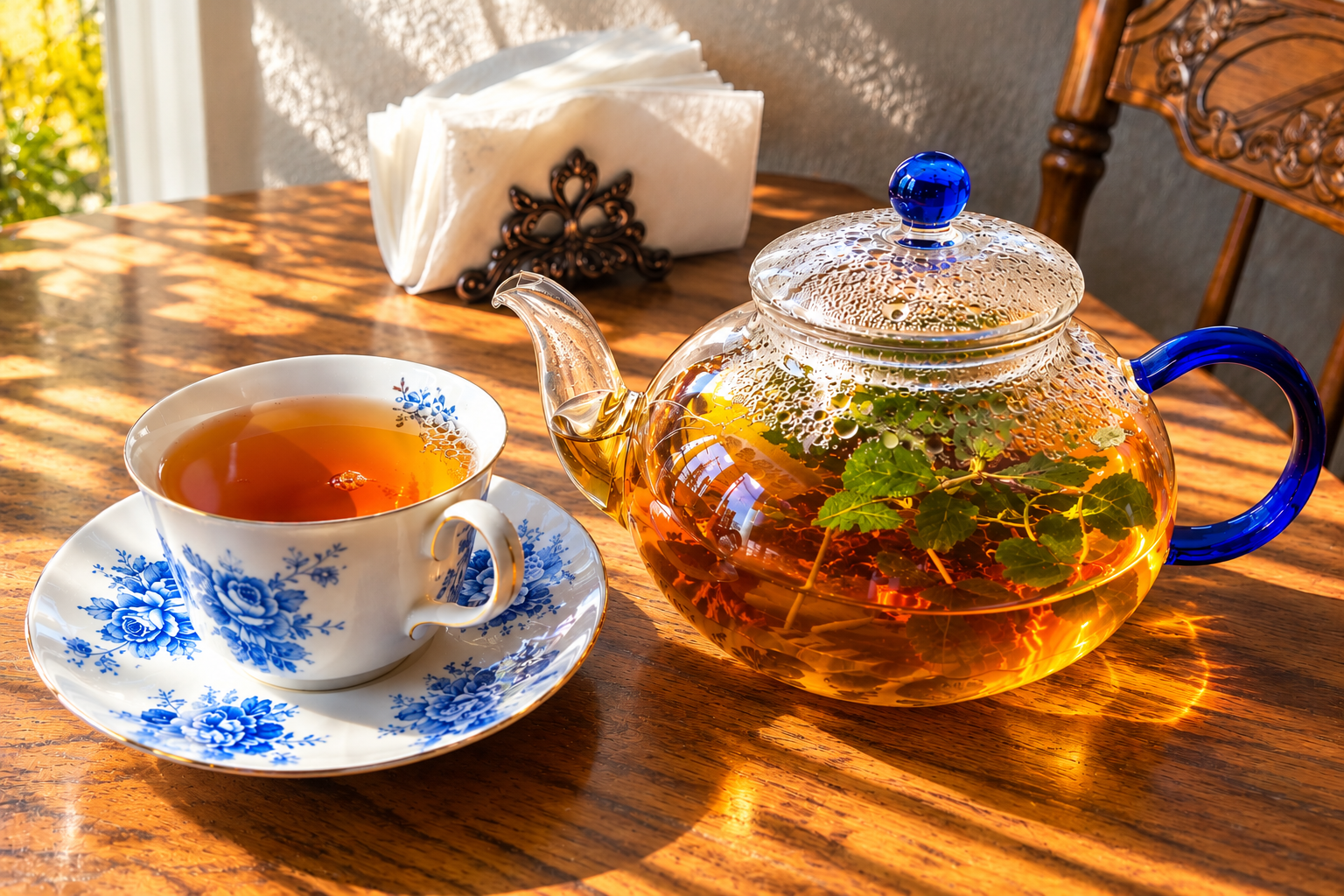
- In Britain, afternoon tea may involve delicate sandwiches, scones, pastries, and a beautifully arranged teapot.
- In Turkey, strong black tea is commonly served in small, tulip-shaped glasses and offered as a gesture of hospitality.
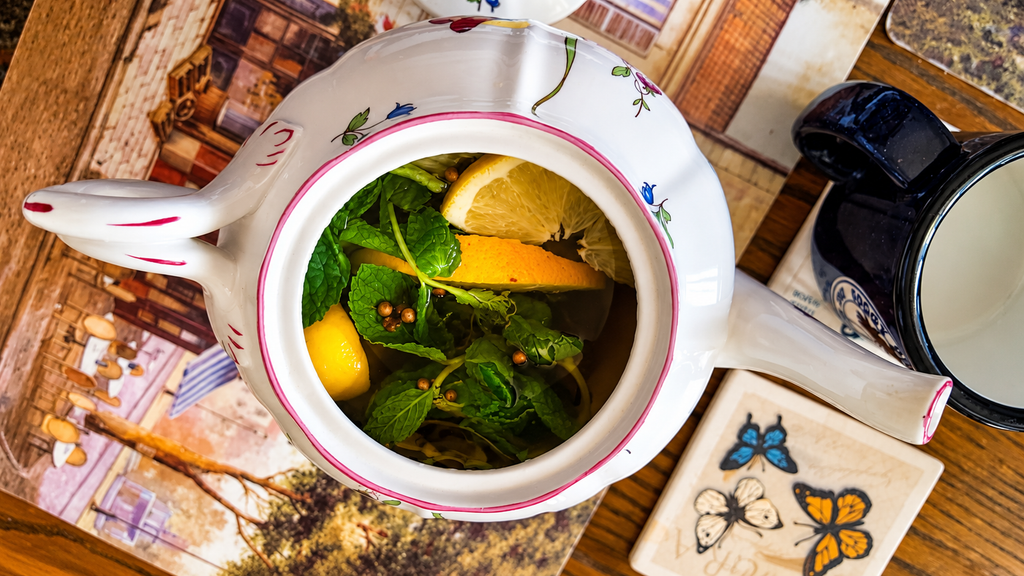
- In Morocco, green tea with fresh mint is an important part of welcoming guests.
- In Tibet, traditional butter tea combines tea with butter and salt, creating a rich drink suited to local customs and conditions.
- And in Poland? Tea is practically part of everyday life. Whether served with lemon, honey, raspberry syrup, or simply on its own, herbata accompanies family conversations, visits with friends, cold winter evenings, and countless ordinary moments. Tea reached Polish society through several routes over the centuries, including trade and contacts with Western Europe and Russia. Russian-style tea drinking became particularly influential in the nineteenth century, although tea was known in Poland earlier. For many Polish households, offering someone a cup of tea is still one of the simplest expressions of hospitality.
The pleasure of a proper cup of tea
In our busy modern world, tea can easily become something we drink without noticing. We drop a teabag into a mug, pour in hot water, answer a few emails, and forget about it until the tea has gone cold. But perhaps the real pleasure of tea isn’t hidden in its antioxidants, its caffeine content, or even its extraordinary history. Perhaps it’s in the ritual itself. The sound of water heating. The aroma rising from the cup. The warmth between our hands. The opportunity to sit quietly for a few minutes. After thousands of years, tea remains one of the world’s most beloved drinks, not because it promises miracles, but because it brings a little comfort into everyday life. And sometimes, that’s exactly what we need.
So make yourself a good cup of tea. The world can wait a few minutes.