Every autumn, millions of people across the United States and Canada gather around beautifully decorated tables to celebrate Thanksgiving. The aroma of roasted turkey and freshly baked pumpkin pie fills homes, families travel hundreds of miles to be together, and people take a moment to reflect on the blessings of the past year. Thanksgiving is one of the most important family holidays in North America. Although Americans and Canadians celebrate it on different dates, many of their customs and culinary traditions are remarkably similar. But where did Thanksgiving originate? Why is turkey its most recognizable symbol? And what do a European explorer, an American president, a department store and a football game have in common? Let us discover the fascinating history and traditions behind this unique North American celebration.
When is Thanksgiving celebrated?
In the United States, Thanksgiving is celebrated annually on the fourth Thursday of November. In Canada, it falls on the second Monday of October. In 2026, Canadian Thanksgiving was celebrated on October 12, while American Thanksgiving falls on November 26. Because the American holiday always takes place on a Thursday, it traditionally marks the beginning of a long four-day weekend for many people. Some employees take Friday off, while businesses and institutions may close early on Wednesday. Millions of Americans travel to visit relatives, sometimes crossing the entire country to spend just a few days with their loved ones. For many American families, Thanksgiving is just as important as Christmas, and sometimes even more so. Unlike Christmas, which is often associated with exchanging gifts, Thanksgiving focuses primarily on family, food, gratitude and spending time together.
The Mayflower and the origins of American Thanksgiving
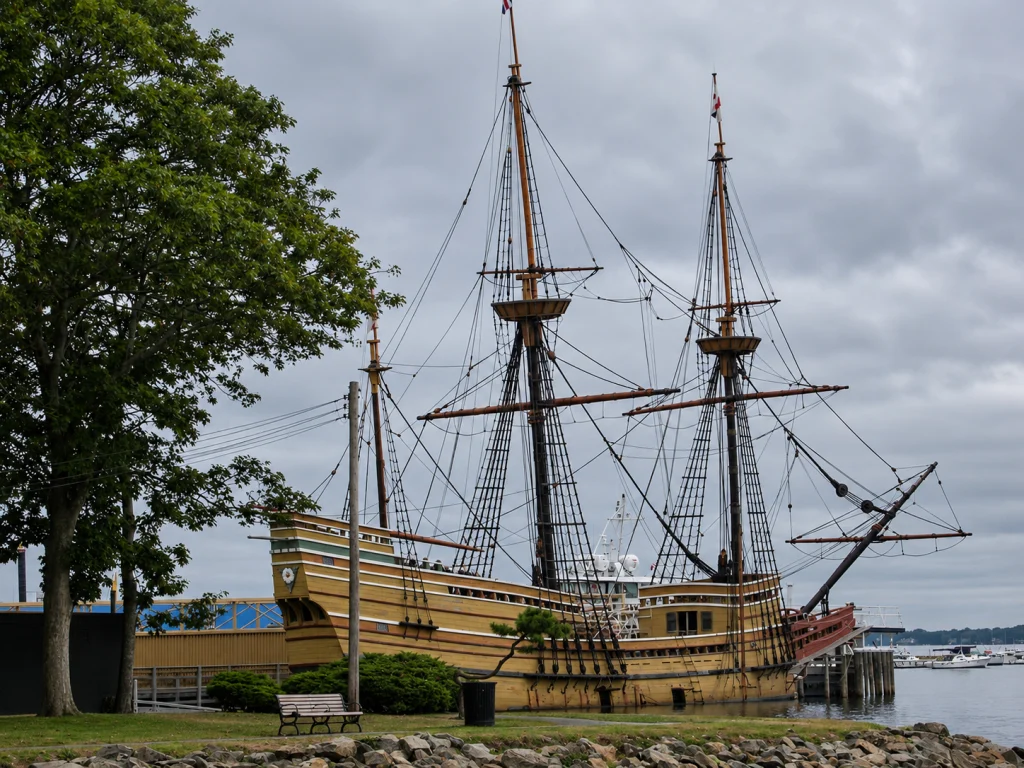
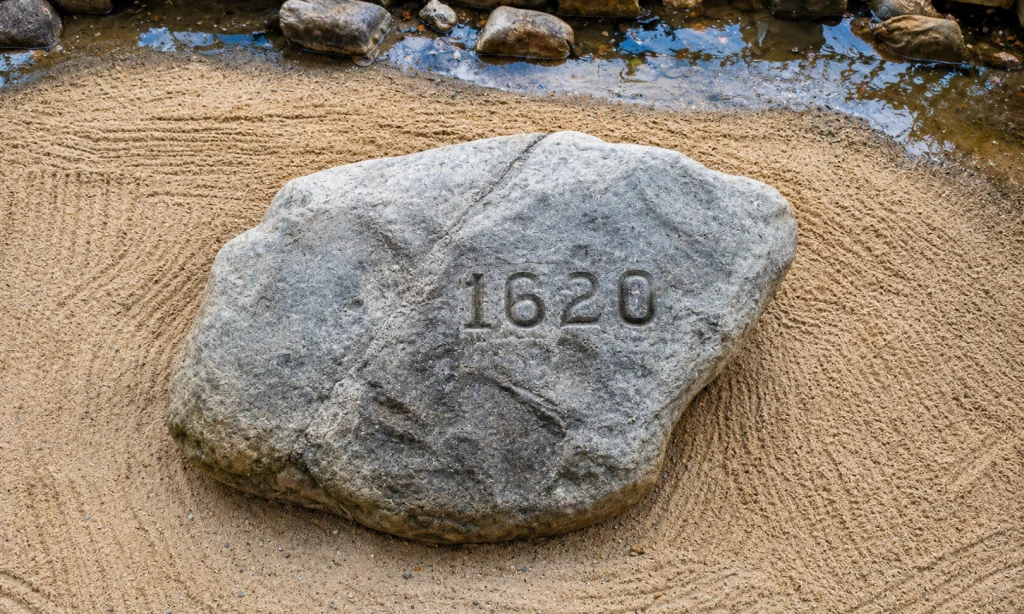
The traditional story of American Thanksgiving takes us back to the early seventeenth century. In September 1620, a ship called the Mayflower departed from Plymouth, England, carrying 102 passengers. Among them were English religious separatists seeking the freedom to practice their faith, as well as other settlers hoping to begin a new life across the Atlantic. After more than two months at sea, the passengers reached the shores of Cape Cod, in what is now Massachusetts. Their first winter in North America proved exceptionally difficult. Unfamiliar climatic conditions, disease, inadequate shelter and food shortages claimed the lives of nearly half the passengers. The surviving settlers received essential assistance from members of the Wampanoag Nation. Their knowledge of local agriculture, fishing and natural resources helped the newcomers adapt to their unfamiliar surroundings. In March 1621, the settlers and the Wampanoag established an agreement of mutual protection. That autumn, following a successful harvest, the English colonists organized a three-day celebration. Among those who participated were the Wampanoag leader Ousamequin, also known as Massasoit, and approximately ninety of his men. This gathering became widely known as the First Thanksgiving, although ceremonies expressing gratitude for successful harvests had existed in North America for centuries before European settlers arrived.
The other side of the Thanksgiving story
For generations, American schoolchildren were taught a simplified version of Thanksgiving history, depicting friendly settlers and Native Americans sharing a festive meal. The historical reality, however, was considerably more complicated. The alliance between the Wampanoag and the English colonists was based partly on political and strategic considerations. Both communities faced challenges, and cooperation offered potential advantages. Unfortunately, the decades that followed brought expanding European settlements, the loss of Indigenous lands, broken agreements, warfare and devastating consequences for Native American communities. For some Indigenous Americans, Thanksgiving is therefore a day of remembrance rather than celebration. Since 1970, Indigenous people and their supporters have gathered in Plymouth, Massachusetts, to observe the National Day of Mourning. The event draws attention to the historical experiences of Native Americans and their continuing struggle to preserve their cultures, identities and rights. Understanding this perspective does not diminish the importance of modern Thanksgiving traditions. Instead, it allows us to appreciate the complexity of North American history and recognize the contributions of its original inhabitants.
How Thanksgiving became an American national holiday
For many years, thanksgiving celebrations were organized independently by individual communities and states. In 1789, President George Washington issued a proclamation establishing November 26 as a national day of Thanksgiving. However, no permanent annual date was established. One of the most influential figures in the history of the holiday was Sarah Josepha Hale, an American writer and magazine editor who spent years campaigning for a nationwide Thanksgiving celebration. Her efforts eventually attracted the attention of President Abraham Lincoln. In 1863, while the United States was divided by the Civil War, Lincoln proclaimed that Thanksgiving should be observed annually on the last Thursday of November. He hoped that the holiday would encourage unity, gratitude and reconciliation. The date remained largely unchanged until 1939, when President Franklin D. Roosevelt moved Thanksgiving to an earlier Thursday in an attempt to extend the Christmas shopping season and support the struggling American economy. The decision caused considerable confusion. Some states accepted the new date, while others continued celebrating on the traditional Thursday. Finally, in 1941, Congress passed legislation, signed by Roosevelt, officially establishing the fourth Thursday of November as Thanksgiving Day.
Canadian Thanksgiving – a different history
Although American Thanksgiving is internationally better known, Canada has its own fascinating history of giving thanks. Long before European explorers arrived, Indigenous communities across what is now Canada practiced ceremonies expressing gratitude for successful harvests, abundant wildlife and survival through difficult winters. One of the earliest recorded European thanksgiving ceremonies in northern North America is associated with the English explorer Sir Martin Frobisher. In 1578, Frobisher embarked on an expedition searching for the Northwest Passage – a maritime route connecting the Atlantic and Pacific oceans through the Arctic. Following a dangerous voyage, his expedition held a religious ceremony expressing gratitude for their survival and safe arrival. Unlike modern Thanksgiving dinners, the explorers’ meal reportedly consisted of relatively simple provisions, including salted beef, biscuits and peas. The event took place in the Canadian Arctic, in the region of present-day Nunavut. Although frequently described as the first Canadian Thanksgiving, Frobisher’s ceremony was not necessarily the direct origin of today’s national holiday. Over the following centuries, various thanksgiving celebrations were organized to commemorate successful harvests, military victories, peace and other important events. In 1879, Canada began observing Thanksgiving through annual government proclamations, although its date changed several times. In 1957, the second Monday of October was established as the permanent date of Canadian Thanksgiving. Canada’s earlier celebration is often associated with its northern climate and earlier harvest season.
The Three Sisters – an ancient agricultural tradition
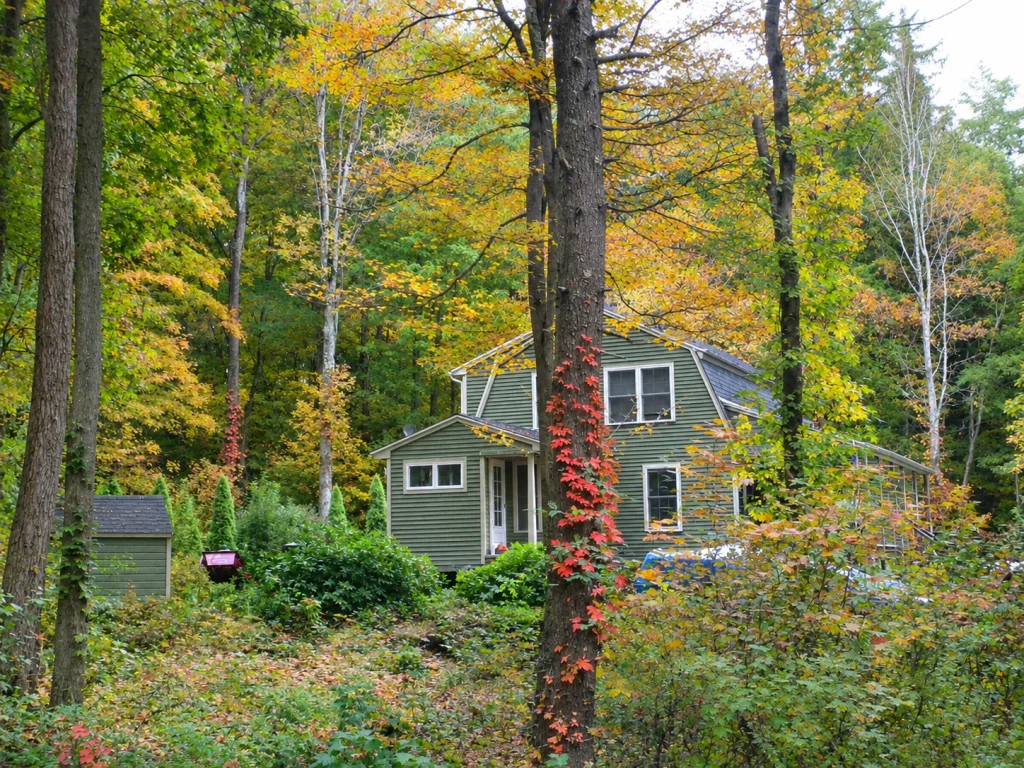
One of the most fascinating Indigenous agricultural traditions in North America is known as the Three Sisters. The name refers to three important crops:
- Corn
- Beans
- Squash
These plants were traditionally grown together because they complemented one another. Corn provided a natural structure for climbing beans. Beans, through their relationship with soil microorganisms, helped enrich the soil with nitrogen. The broad leaves of squash covered the ground, helping retain moisture and suppress weeds. This remarkably effective cultivation method was practiced by several Indigenous nations, including the Haudenosaunee, historically known as the Iroquois Confederacy. The Three Sisters also held considerable cultural and spiritual significance. They represented interconnectedness, cooperation, nourishment and the relationship between people and nature. Today, corn and squash remain important ingredients in Thanksgiving cuisine, connecting modern celebrations with agricultural traditions that are much older than the holiday itself.
What was served at the First Thanksgiving?
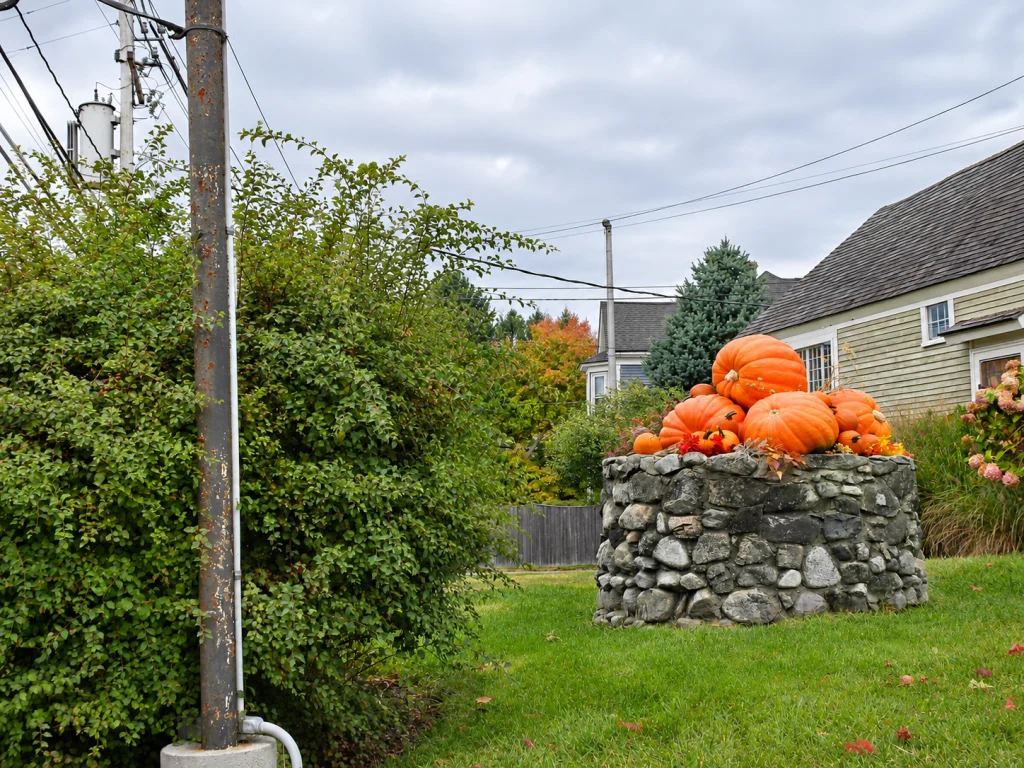
Surprisingly, the famous harvest celebration of 1621 probably looked very different from today’s Thanksgiving dinner. Historical accounts confirm the presence of venison and wild birds. Corn was also an important part of the settlers’ diet. Depending on the available seasonal ingredients, the feast may have included fish, shellfish, squash, beans and other local foods. Although wild turkeys were abundant in the region, historians cannot say with certainty that turkey was served during the celebration. Several dishes considered essential today, including mashed potatoes, sweetened cranberry sauce and modern pumpkin pie, were unlikely to have been part of the original meal. Many of the culinary traditions associated with Thanksgiving developed gradually over the following centuries.
What do Americans and Canadians eat on Thanksgiving today?
Food is undoubtedly one of the most recognizable elements of the holiday. Although every family has its own recipes and traditions, Thanksgiving dinner typically includes:
- Roasted turkey
- Bread stuffing or dressing
- Mashed potatoes and gravy
- Cranberry sauce
- Sweet potatoes
- Green bean casserole
- Corn
- Dinner rolls or cornbread
- Pumpkin pie
- American apple pie
- Pecan pie
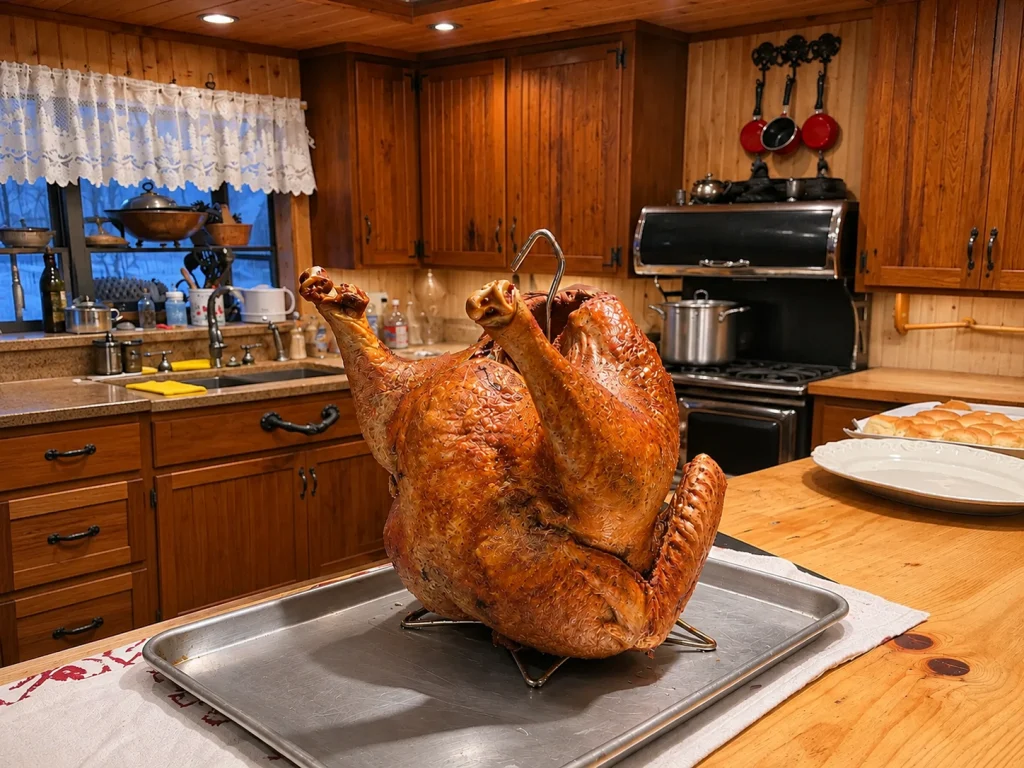
Some families begin their meal with pumpkin or butternut squash soup. Turkey is usually roasted with herbs and served with a rich gravy. The slightly tart flavor of cranberry sauce provides a contrast to the meat, while sweet potatoes may be prepared with brown sugar, cinnamon or even marshmallows. There are countless regional variations. Southern American Thanksgiving dinners may include macaroni and cheese, cornbread dressing and collard greens. Coastal communities may incorporate seafood, while immigrant families often serve traditional dishes from their countries of origin alongside classic American recipes. Vegetarian and vegan Thanksgiving dinners have also become increasingly popular. The turkey remains such an important symbol of the celebration that Thanksgiving is sometimes informally referred to as Turkey Day.
Preparing Thanksgiving dinner – an American custom that may surprise Europeans
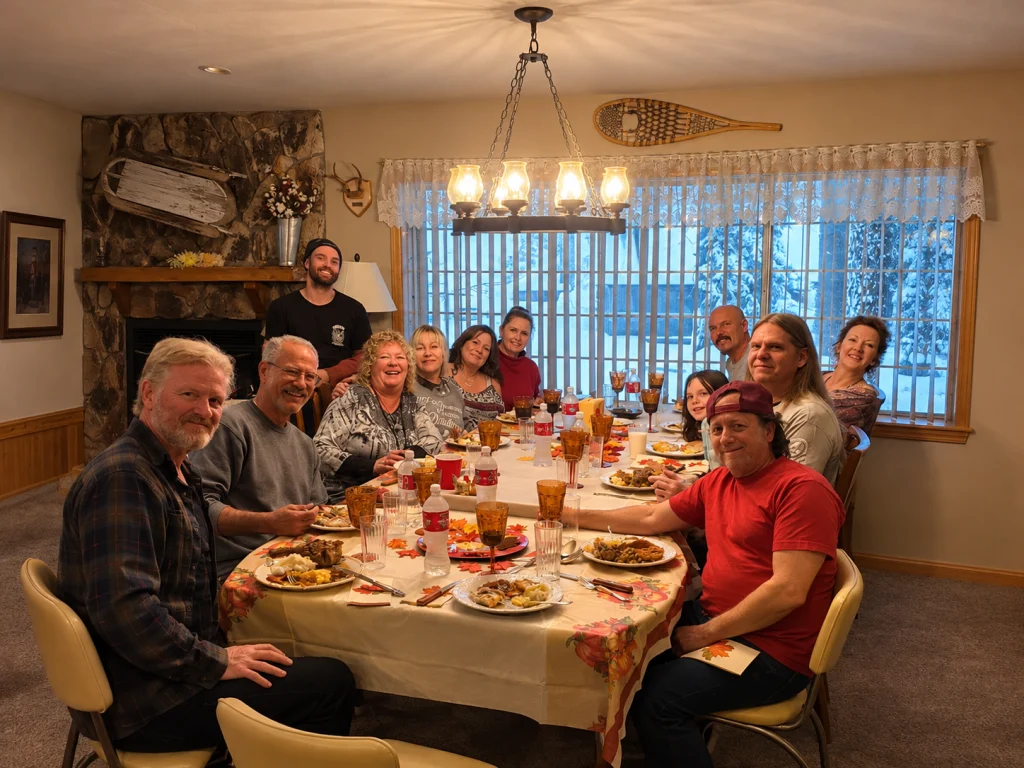
For many European families, particularly in countries such as Poland, preparing a major holiday meal traditionally involves several days of cooking, baking and organizing ingredients. In the United States, however, holiday preparations can look quite different. While many Americans enjoy preparing everything from scratch, others order complete Thanksgiving dinners from supermarkets, restaurants or catering companies. These ready-made holiday packages often include a roasted turkey, several side dishes, gravy, cranberry sauce and desserts. The family simply reheats the food and arranges everything on the festive table. Although such an approach might seem unusual to those accustomed to traditional Polish holiday preparations, it is widely accepted in American culture. For many families, the most important part of Thanksgiving is not who prepared the food, but the opportunity to share it with loved ones. Another popular custom involves guests bringing individual dishes to the gathering, reducing the workload for the hosts and allowing everyone to contribute to the celebration.
The presidential turkey pardon
One of the most unusual Thanksgiving traditions takes place at the White House. Every year, shortly before Thanksgiving, the president of the United States participates in a ceremony during which a turkey is officially pardoned. The lucky bird is spared from becoming Thanksgiving dinner. Although American presidents had received turkeys as gifts for decades, the modern annual tradition of officially pardoning a Thanksgiving turkey was established by President George H. W. Bush in 1989. Today, the ceremony often features two turkeys with creative names, sometimes chosen through public participation. The birds subsequently retire to farms, universities or other facilities where they are cared for. The event provides a humorous and lighthearted moment in the official presidential calendar.
Macy’s Thanksgiving Day Parade – a spectacular American tradition
For millions of Americans, Thanksgiving morning begins in front of the television. The famous Macy’s Thanksgiving Day Parade in New York City has been entertaining spectators since 1924. The earliest parade featured employees dressed in colorful costumes, decorative floats and live animals. Giant character balloons were introduced a few years later and eventually became the parade’s most recognizable attraction. Today, enormous balloons, elaborate floats, marching bands, dancers and musical performances transform the streets of Manhattan into a spectacular outdoor celebration. The parade traditionally concludes with the arrival of Santa Claus, symbolically welcoming the Christmas season. For families across the United States, watching the parade while preparing Thanksgiving dinner has become an annual tradition. Other American cities also organize Thanksgiving parades, each with its own distinctive character.
Thanksgiving and American football
Another unmistakable element of American Thanksgiving is football. The tradition of playing football on Thanksgiving dates back to the nineteenth century, long before the establishment of the modern National Football League. Today, professional football games are an important part of the holiday. The Detroit Lions have hosted Thanksgiving games since 1934, while the Dallas Cowboys began their Thanksgiving tradition in 1966. For many Americans, the ideal Thanksgiving afternoon consists of a generous meal, conversations with relatives and a football game on television. Canadian Thanksgiving also has its own football traditions, with the Canadian Football League occasionally featuring games during the holiday.
Turkey Trots – running before dinner
Not everyone spends Thanksgiving morning watching television or preparing food. Across the United States, thousands of people participate in organized running events known as Turkey Trots. These races range from short family-friendly walks and runs to more demanding long-distance competitions. Participants often dress in humorous costumes inspired by turkeys, pumpkins or other Thanksgiving symbols. Many Turkey Trots support charitable organizations, food banks and local community projects. For some families, participating in a Thanksgiving morning race has become just as important as watching football or eating turkey later in the day.
Traditional Thanksgiving decorations
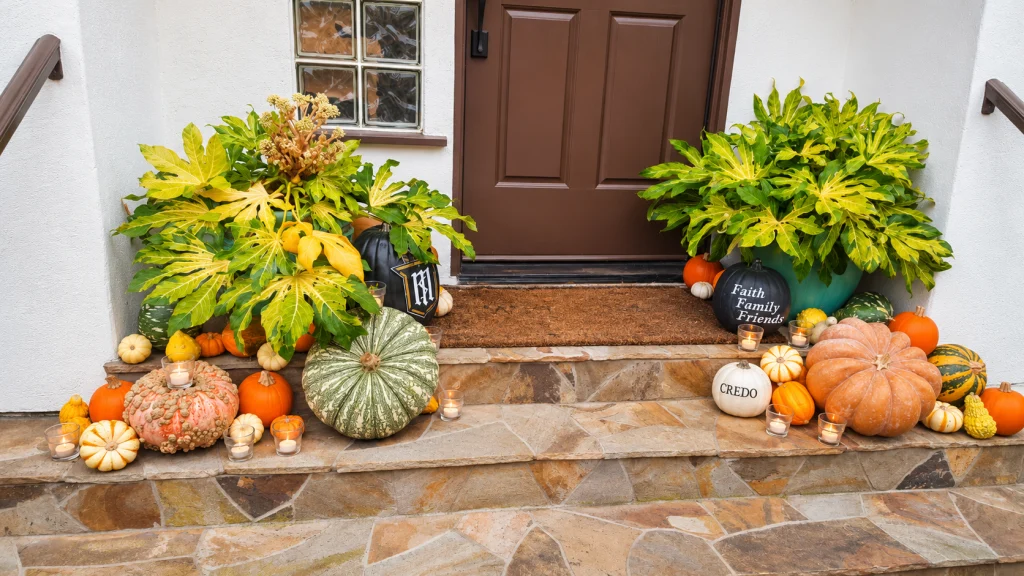
Thanksgiving decorations are usually inspired by the colors and natural beauty of autumn. Homes, gardens, restaurants and shopping centers are decorated in shades of orange, yellow, red, brown and gold. Popular decorations include:
- Pumpkins and decorative gourds
- Colorful autumn leaves
- Dried corn
- Cornucopias, also known as horns of plenty
- Harvest wreaths
- Miniature scarecrows
- Candles and lanterns
- Seasonal flowers
- Decorative turkeys
The cornucopia is an ancient symbol of abundance and prosperity. Traditionally depicted as a horn overflowing with fruit, vegetables and grain, it has become closely associated with Thanksgiving. In many American homes, autumn decorations appear as early as September and remain in place until the end of November. Once Thanksgiving is over, pumpkins and autumn wreaths are often quickly replaced by Christmas trees, colorful lights and festive ornaments.
Friendsgiving – a modern tradition
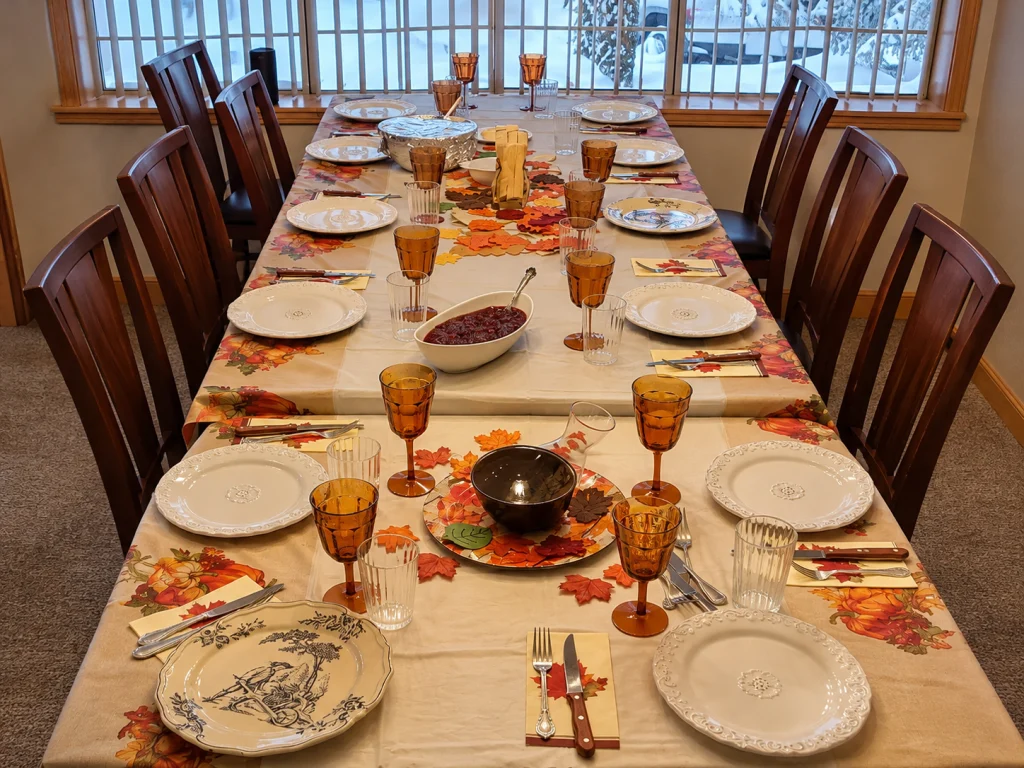
Not everyone has the opportunity to spend Thanksgiving with their family. For immigrants, international students, young adults and people living far from home, the holiday can sometimes be a lonely experience. Friendsgiving has developed as an increasingly popular alternative or addition to traditional family celebrations. Friends gather around a shared table, prepare their favorite dishes and create their own festive traditions. The gathering may take place on Thanksgiving Day itself or during the days before or after the holiday. It is a reminder that family does not always mean the people to whom we are related. Sometimes, family consists of the people we choose to surround ourselves with.
Thanksgiving – a time for gratitude and helping others
Thanksgiving continues to have religious significance for many American and Canadian families. Some begin their festive meal with a prayer, expressing gratitude to God for their health, family, prosperity and the blessings they have received throughout the year. Others observe the holiday in a secular manner, reflecting on the positive aspects of their lives without a religious ceremony. A popular family tradition involves each person around the table sharing something for which they are grateful. The holiday is also closely associated with generosity. Volunteers prepare meals for people experiencing homelessness, food banks organize donation campaigns, and charities distribute groceries to families in need. Many Americans consider these acts of kindness an essential part of the celebration. After all, expressing gratitude becomes even more meaningful when it inspires us to help others.
Black Friday – from family celebrations to shopping madness
Although Thanksgiving is primarily a family holiday, the following day has become one of the biggest shopping events in the world. Black Friday traditionally marks the beginning of the Christmas shopping season in the United States. Retailers offer discounts, shopping centers attract enormous crowds, and consumers search for bargains on electronics, clothing, toys and countless other products. The term Black Friday became associated with the heavy traffic and crowds in Philadelphia following Thanksgiving. Over time, retailers promoted a more positive interpretation, linking the expression to businesses moving from financial losses into profits. In recent years, Black Friday has expanded far beyond a single day. Many retailers begin their promotions weeks before Thanksgiving, continuing through the holiday weekend and Cyber Monday. Cyber Monday, as its name suggests, is particularly associated with online shopping. Interestingly, Black Friday has become popular worldwide, including in countries such as Poland, where Thanksgiving itself is not celebrated.
Traveling in North America during Thanksgiving
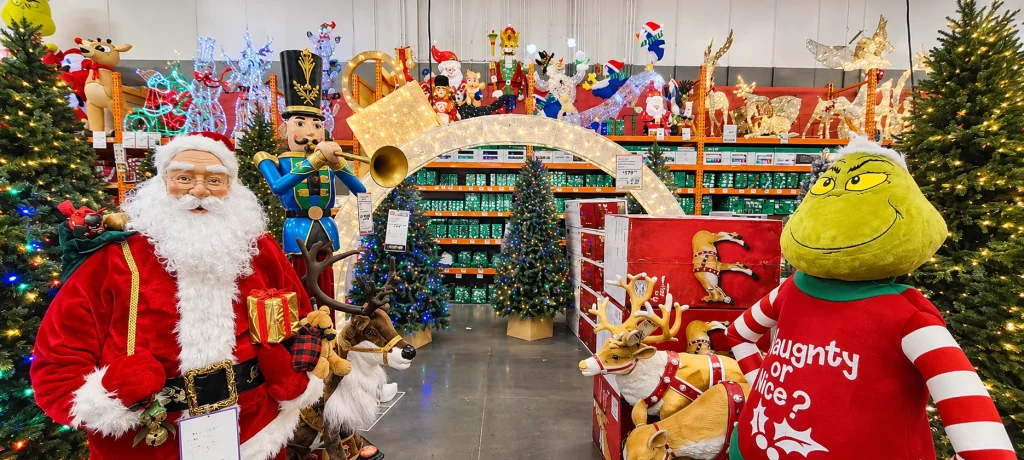
If you are planning to visit the United States in late November, it is important to understand how Thanksgiving may affect your travel arrangements. Thanksgiving is one of the busiest travel periods of the year in America. Airports, highways and train stations become crowded as millions of people travel to reunite with their families. Visitors should keep several things in mind:
- Flights and accommodation may be more expensive.
- Airports and highways are particularly busy around the Wednesday before Thanksgiving and the Sunday following the holiday.
- Many museums, shops, government offices and tourist attractions are closed on Thanksgiving Day.
- Restaurants may operate on reduced hours or offer special holiday menus.
- Restaurant reservations should be made well in advance.
- Shopping centers and surrounding roads may experience heavy traffic during Black Friday.
Travelers visiting Canada in October should also check local opening hours during the Canadian Thanksgiving weekend. Despite these potential inconveniences, Thanksgiving can be a wonderful opportunity to experience North American culture. Being invited to a traditional Thanksgiving dinner may offer a more authentic insight into American or Canadian everyday life than visiting many conventional tourist attractions.
Does Poland have an equivalent of Thanksgiving?
Although Poland does not celebrate Thanksgiving in the American or Canadian sense, certain similarities can be found in the traditional Polish harvest festival known as Dożynki. Dożynki celebrates the completion of agricultural work and expresses gratitude for a successful harvest. Traditional celebrations often include religious services, decorative harvest wreaths, bread prepared from freshly harvested grain, folk costumes and community gatherings. However, while Thanksgiving has evolved into a nationwide family holiday, Dożynki remains more closely connected with rural communities and agricultural traditions. In terms of its family character, Thanksgiving may remind Polish visitors more of Christmas Eve or Easter, when relatives travel from different parts of the country to gather around a festive table.
Did you know? – Fascinating Thanksgiving facts
- The famous 1621 Thanksgiving celebration lasted three days.
- Canadian Thanksgiving takes place several weeks before American Thanksgiving.
- Turkey was not definitively documented as part of the 1621 feast.
- Benjamin Franklin once praised the turkey in a private letter, but he never formally proposed making it the national bird of the United States.
- The female wild turkey is called a hen, while the male is commonly known as a tom or gobbler.
- The first Macy’s Thanksgiving Day Parade took place in 1924.
- In 1939, a change to the Thanksgiving date caused different states to celebrate on different Thursdays.
- The modern annual presidential turkey pardon began in 1989.
- American Thanksgiving always falls between November 22 and November 28.
- Thanksgiving does not traditionally require exchanging gifts, making it primarily a celebration of family, gratitude and togetherness.
Thanksgiving – much more than turkey and pumpkin pie
Thanksgiving has undergone enormous changes over the centuries. From ancient Indigenous harvest ceremonies and early European celebrations to modern family gatherings, colorful parades, football games and shopping traditions, the holiday reflects the rich and complex history of North America. Yet its fundamental message remains remarkably simple. In a world where people are constantly rushing, working and planning their next responsibilities, Thanksgiving offers an opportunity to stop for a moment and appreciate what we already have. It reminds us of the importance of family, friendship, health, generosity and the everyday experiences we sometimes take for granted. Whether we celebrate Thanksgiving in the United States, Canada or somewhere else in the world, perhaps its most meaningful tradition is one that transcends national borders, cultures and religions – the ability to be grateful. And gratitude is something worth celebrating not just once a year, but every day.
Happy Thanksgiving!