
Planning a vacation is almost as exciting as taking one. You start imagining beautiful beaches, historic cities, spectacular landscapes, delicious food, and unforgettable adventures. You browse travel websites, read guidebooks, look at photographs, and gradually create the itinerary of your dreams. But sometimes, in all that excitement, it’s easy to forget that even the best-laid travel plans can go wrong. Over the years, both as a traveler and a tour organizer, I’ve learned that successful travel planning isn’t about scheduling every minute of your vacation. It’s about finding the right balance between preparation, flexibility, and realistic expectations.
Here are some of the most common mistakes people make when planning a trip, and how you can avoid them.
1. Trying to see too many places in too little time
Imagine you’re planning a two-week vacation in Thailand. You’ve never been there before, and you don’t know whether you’ll ever have the opportunity to return. Naturally, you want to experience everything: sandy beaches, paradise islands, lush jungles, magnificent temples, bustling markets, and incredible Thai cuisine. Two weeks should be enough, right? But then you look at the map. Cambodia is right next door, and you’ve always wanted to see the famous temples of Angkor. Since you’re already traveling halfway around the world, wouldn’t it be a shame to miss them? And just like that, your itinerary keeps growing. Unfortunately, unlike your vacation time, the list of fascinating places within reach never ends. Whether you’re traveling through Asia, Africa, Europe, or Australia, you simply cannot see everything. Even if your vacation lasted two months, there would still be something you hadn’t visited, tasted, or experienced. Of course, there’s nothing wrong with an active vacation. Some people love busy itineraries, early mornings, and full days of sightseeing. I certainly understand that approach. But there’s a difference between an exciting journey and an exhausting race against the clock. You might manage to visit several cities in a few days, but when you return home, will you remember what made each place special? Or will everything become one big blur of train stations, hotel check-ins, and hurried photographs?
How to avoid this mistake:
Start by identifying your priorities. Which places are absolute must-sees, and which would simply be nice to visit? Consider focusing on one region rather than trying to cover an entire country. You might explore northern Thailand on one trip and save the southern islands for another. Another interesting option is to create a themed journey. Follow in the footsteps of your favorite artist, visit locations from a beloved movie, explore historic towns, discover national parks, or combine a few days of city sightseeing with time in nature. The possibilities are endless. The important thing is to build an itinerary around what genuinely interests you—not around how many places you can check off a list.

2. Not allowing enough time for delays and unexpected problems
A few years ago, I was traveling from Los Angeles to Surabaya, Indonesia, with connections in Frankfurt and Singapore. My flight from Los Angeles departed on time. Everything seemed to be going according to plan. Then the flight from Frankfurt was delayed by approximately 90 minutes. Ninety minutes doesn’t sound like much, does it? Unfortunately, that delay was enough to disrupt my connection in Singapore. Instead of arriving in Indonesia as scheduled, I ended up spending an unexpected night in Singapore and reaching my destination a day later. If you’re traveling for several weeks with a flexible itinerary, losing one day might not be a disaster. But when you have a tightly scheduled two-week vacation, that seemingly small delay can create a domino effect. Imagine missing a prepaid tour, losing a hotel reservation, or arriving too late to catch the last train to your next destination. One small problem can suddenly affect several days of your journey. I like to think of travel planning as building a long line of dominoes. If every piece depends on the previous one, a single mistake can bring down the entire structure. The solution is to leave a little space between the pieces.
How to avoid this mistake:
- Allow extra time between flights, trains, and other transportation connections. At large international airports, I generally prefer at least two and a half to three hours when possible, although the time actually needed depends on the airport, tickets, baggage, and immigration requirements.
- Don’t schedule an expensive, nonrefundable activity immediately after a long international flight.
- Leave for airports and train stations early enough to account for traffic, security lines, and unexpected delays.
- Whenever possible, avoid depending on the last bus or train of the day.
- Research alternative transportation options before you need them.
And remember that a connection booked on separate tickets can be particularly risky. If your first flight is delayed, the next airline may not be responsible for getting you to your final destination. A little extra time in your schedule can save you a great deal of frustration.

3. Planning every minute of your vacation
It seems so easy when you’re sitting comfortably at home, flipping through guidebooks and browsing travel websites. You create a detailed itinerary, complete with attractions, restaurants, transportation schedules, and perhaps even the exact time you intend to take photographs. Everything looks perfect. But there’s one thing your carefully prepared itinerary cannot predict: how you’ll actually feel when you arrive. Maybe you’ll fall in love with a little town you originally planned to visit for only an hour. Perhaps the famous attraction you were so excited about won’t impress you at all. Or maybe, after several busy days, you’ll simply want to sleep late, sit in a café, and watch the world go by. Guidebooks and travel websites are wonderful sources of inspiration, but they don’t know you. Their recommendations reflect someone else’s interests, experiences, and preferences. And no guidebook can possibly include every fascinating corner of a destination. Sometimes the most memorable experiences happen when you wander down an unfamiliar street, discover a neighborhood market, or strike up a conversation with a local resident.
How to avoid this mistake:
Create a plan, but don’t become too attached to it. Include free time in your itinerary, even if it’s only a few hours here and there. Spend an afternoon reading on the beach, relaxing in a park, wandering without a particular destination, or enjoying a long lunch. You don’t need to fill every empty space with another attraction. Most importantly, allow yourself to change your mind. If you discover somewhere wonderful, stay a little longer. If you’re tired, take a break. If something doesn’t interest you, move on. Your itinerary should work for you, not the other way around.

4. Not leaving room in your travel budget
Travel doesn’t necessarily have to be expensive, but it does require money—and unexpected expenses have a habit of appearing at the least convenient moments. You may carefully calculate the cost of flights, hotels, transportation, meals, and attractions, only to discover that you’ve forgotten about baggage fees, local tourist taxes, airport transfers, or tips. And then there are the expenses nobody plans for. A canceled train might mean an expensive taxi. A missed connection could require an extra hotel night. Bad weather might force you to change your plans. Even small purchases can add up surprisingly quickly. Another thing worth remembering is that the more frequently you move between destinations, the more money you tend to spend on transportation and logistics. Sometimes staying an extra night in one place is not only more relaxing but also less expensive.
How to avoid this mistake:
Once you’ve calculated your expected travel expenses, add a financial cushion. Personally, I recommend setting aside approximately 20–30 percent of your planned budget, if possible, especially for complicated international journeys. You may not need it, and that’s wonderful. But if something unexpected happens, you’ll be grateful to have the money available. Also, don’t forget to check foreign transaction fees, ATM charges, currency exchange rates, and whether your credit or debit cards will work at your destination. A realistic budget doesn’t take the fun out of traveling. It gives you the freedom to enjoy your vacation without constantly worrying about money.

5. Choosing accommodation based only on price
We’ve all been tempted by an incredible hotel deal. A beautiful room, excellent photographs, wonderful reviews, and a price that’s significantly lower than other accommodations. What’s not to love? Well, perhaps the location. That bargain hotel might be miles away from the attractions you want to visit, with limited public transportation and expensive taxi rides. Suddenly, the money you saved on accommodation disappears into transportation costs. And let’s not forget the time you lose traveling back and forth.
How to avoid this mistake:
Before booking a hotel, check its location on a map. Look at the distance to the attractions you want to visit, nearby public transportation, restaurants, and the airport or train station. Read recent guest reviews, especially comments about cleanliness, noise, safety, and accessibility. If you’re traveling with large suitcases, check whether the property has an elevator. If you’re renting a car, investigate parking availability and fees. The cheapest room isn’t always the best value. Sometimes paying a little more for a convenient location can make your entire vacation more enjoyable.

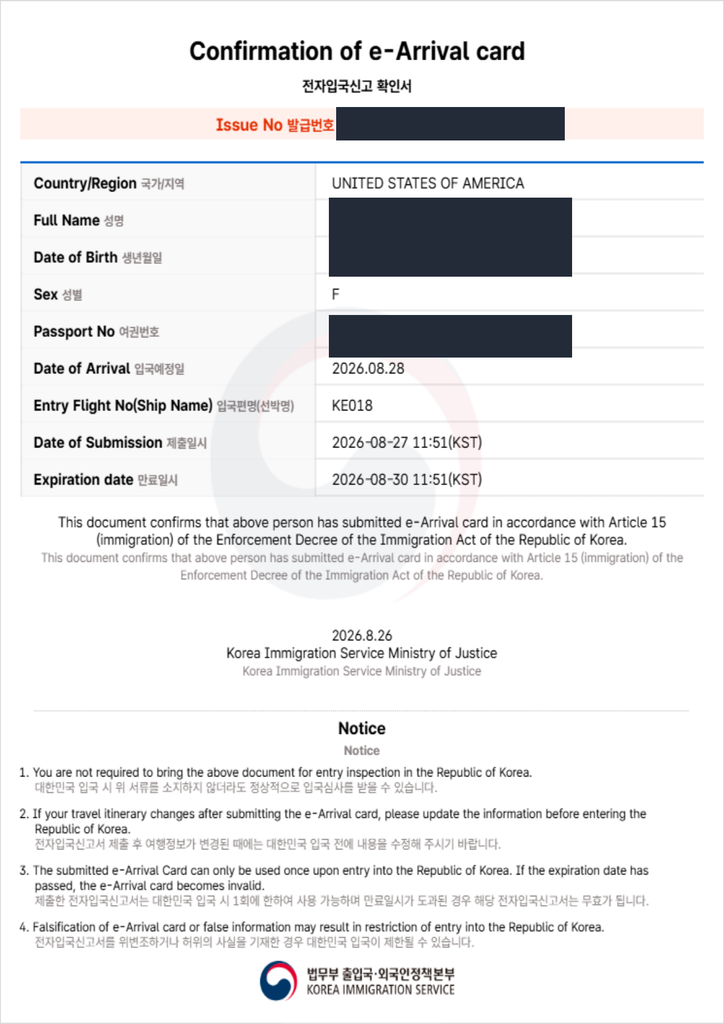
6. Forgetting to check travel documents and entry requirements
Imagine arriving at the airport, excited about your long-awaited vacation, only to discover that you cannot board your flight. Perhaps your passport doesn’t meet the destination’s validity requirements. Maybe you need a visa or an electronic travel authorization you forgot to obtain. It’s a nightmare that can often be avoided with a little advance research. Entry requirements vary by country and can change over time. They may also depend on your nationality, the purpose of your visit, and the length of your stay. Some destinations require advance online forms, proof of onward travel, or specific health documentation.
How to avoid this mistake:
Well before departure, check the official immigration or embassy website for every country you plan to visit, including transit countries when applicable. Verify your passport’s expiration date, visa requirements, permitted length of stay, and any additional entry procedures. If you intend to drive abroad, find out whether you need an International Driving Permit. Keep digital copies of important documents in a secure location and consider carrying paper copies of essential reservations and travel information. A few minutes of research can prevent an extremely expensive disappointment.
7. Booking everything without checking cancellation policies
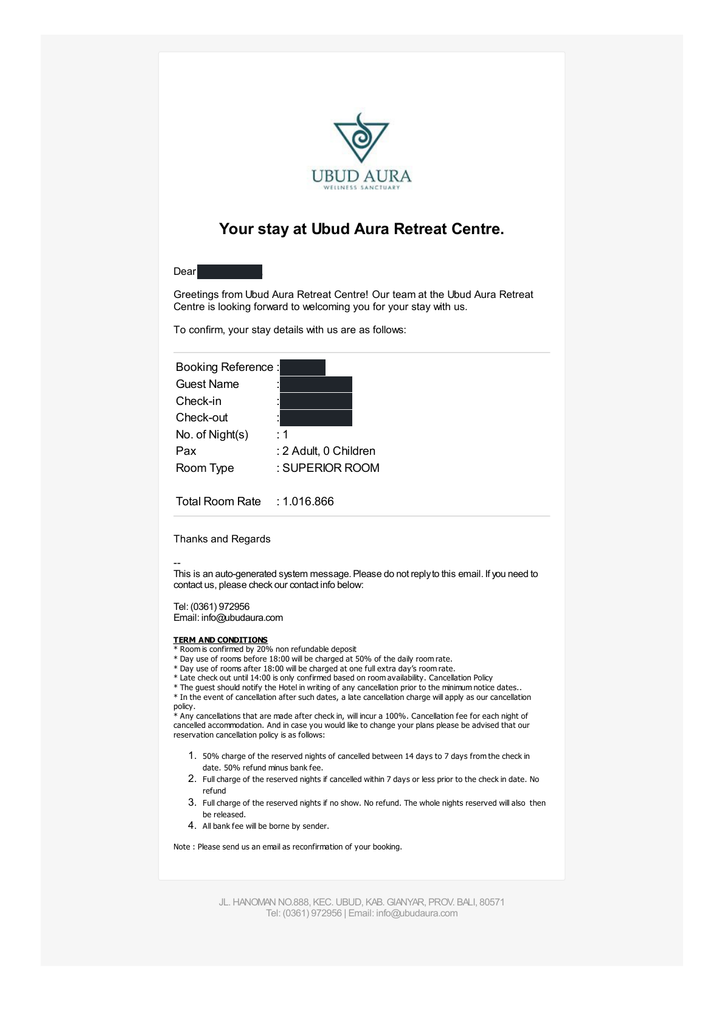
It’s exciting to see your travel plans coming together. Flights booked. Hotels reserved. Tours purchased. Transportation arranged. But what happens if your plans change? Not all reservations offer the same flexibility. Some hotels allow free cancellation until shortly before arrival, while others charge the full amount immediately. Discounted airline tickets may be nonrefundable or subject to significant change fees. Tours and activities can have their own cancellation deadlines. And purchasing travel insurance doesn’t automatically mean every cancellation will be covered.
How to avoid this mistake:
Before making a reservation, read the cancellation and modification policies carefully. Pay attention to deadlines, refund methods, and whether a deposit is refundable. Consider flexible reservations when your itinerary is still evolving. If you purchase travel insurance, review the policy’s coverage, exclusions, and limits rather than assuming it protects you against every possible problem. A slightly more expensive refundable reservation may be worth the peace of mind.
8. Ignoring local customs and practical details
Every destination has its own rhythm. Restaurants may close earlier than you expect. Museums may be closed on certain weekdays. Religious sites may require modest clothing. Public transportation might operate differently on weekends or holidays. Even everyday habits, such as tipping, greeting people, or paying for purchases—can vary considerably from one country to another. And if you have food allergies or dietary restrictions, knowing how to communicate them can be especially important.
How to avoid this mistake:
Before leaving, learn a little about the destination’s culture and everyday customs. Research local transportation, opening hours, payment methods, and appropriate clothing for places you intend to visit. Learn a few basic phrases in the local language. Even a simple hello or thank you can make a difference. If you have dietary restrictions or serious food allergies, prepare clearly translated information to show restaurant staff, and research how to find suitable food. You don’t need to become an expert on every country you visit. But a little preparation shows respect for the people who live there and makes your own experience much easier.

9. Packing too much
There’s a familiar temptation when preparing for a trip: bringing something just in case. An extra pair of shoes. Another jacket. Five outfits you probably won’t wear. A collection of things that seemed absolutely essential while you were packing. Before you know it, your suitcase is overflowing. Then comes the reality of carrying it up stairs, dragging it across cobblestone streets, squeezing it onto trains, or paying additional baggage fees.
How to avoid this mistake:
Pack according to your actual itinerary, the expected weather, and the activities you’ve planned. Choose clothing that can be mixed and matched, and consider doing laundry during longer trips. Check airline baggage allowances, especially if you’re flying with multiple carriers. And remember that, in many destinations, ordinary necessities can be purchased locally if you forget something. The less unnecessary luggage you bring, the easier it is to move around.

10. Forgetting that a vacation is supposed to be enjoyable
This might be the biggest mistake of all. Sometimes we become so focused on seeing everything, following the schedule, and making the most of every dollar that we forget why we wanted to travel in the first place. We return home with thousands of photographs, a long list of attractions we’ve visited, and the feeling that we need another vacation to recover from the first one. There’s nothing wrong with ambitious travel plans. I enjoy exploring new places and making the most of every journey. But travel shouldn’t feel like an obligation. You don’t have to visit every famous landmark, eat at every recommended restaurant, or follow someone else’s idea of a perfect vacation. Maybe your favorite memory will be watching a sunset, getting lost in a beautiful neighborhood, discovering a tiny family-run restaurant, or simply enjoying a peaceful afternoon somewhere far from home. Those moments are just as valuable as the famous attractions.

Final Thoughts: plan carefully, travel freely
A successful vacation doesn’t happen entirely by accident. Good planning matters. Research your destination, organize your transportation, choose your accommodation wisely, prepare your budget, and make sure your documents are in order. But once you’ve done your homework, give yourself permission to enjoy the unexpected. Plans can change. Flights can be delayed. The weather may refuse to cooperate. A place you thought you’d love might disappoint you, while somewhere you almost skipped could become the highlight of your journey. And that’s part of traveling. The best travel plan isn’t the one that allows you to see everything. It’s the one that gives you enough freedom to truly experience the places you visit. So plan your adventure, pack your bags, and head out into the world.
Just remember: you’re going on vacation, not running a marathon.