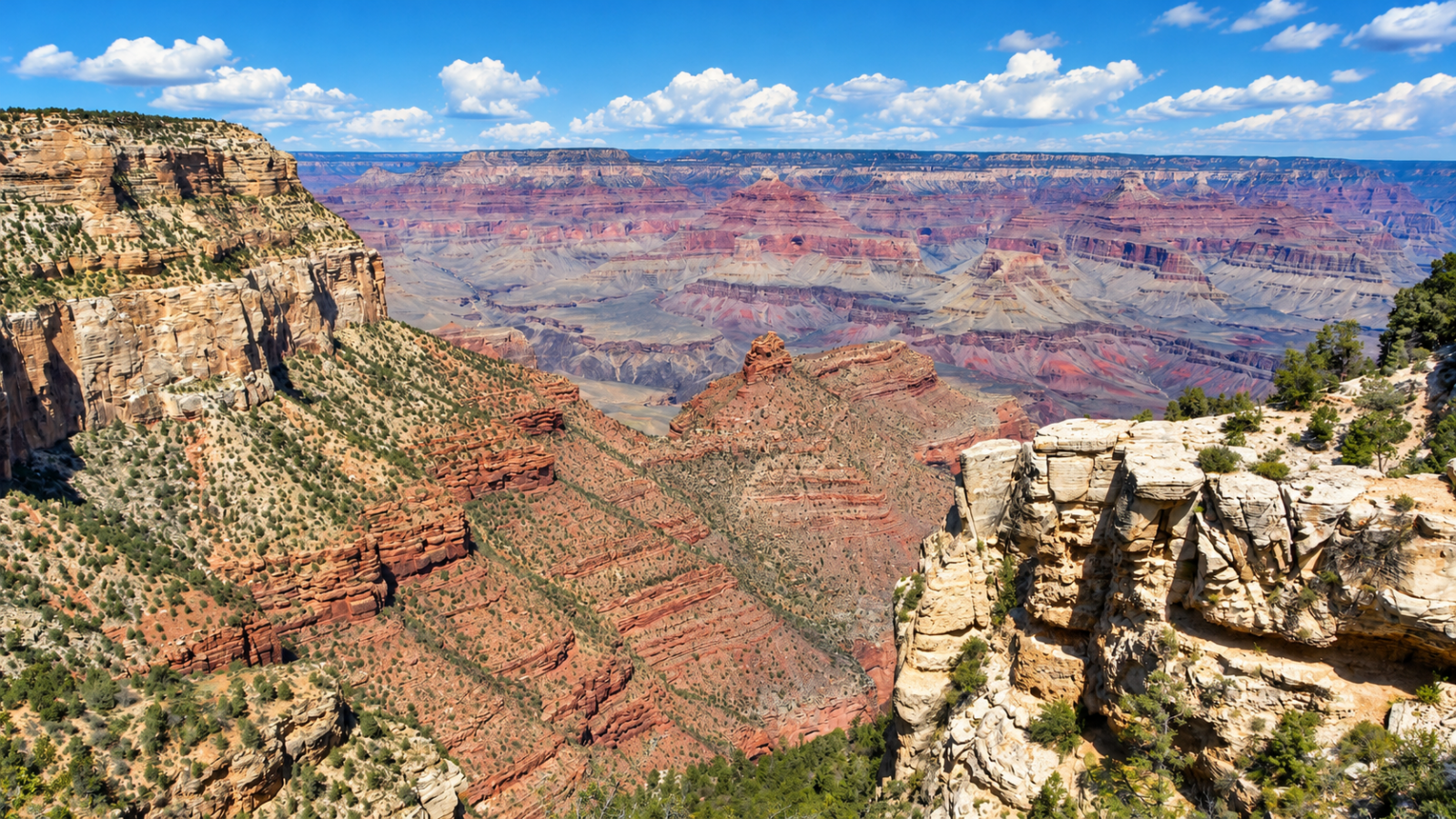
Planning a road trip through America’s national parks? Before you pack your hiking boots, charge your camera, and set off toward the Grand Canyon, Yellowstone, or Yosemite, there’s something important you should know. In 2026, the rules for visiting some of America’s most famous national parks changed — and international tourists could end up paying considerably more.
Imagine standing at the edge of the Grand Canyon, watching the sunrise illuminate millions of years of geological history. Or walking among giant sequoias, some of which were already ancient when the Roman Empire was still standing. Perhaps your dream is to see Yellowstone’s geysers, Yosemite’s waterfalls, or the spectacular red cliffs of Zion. America’s national parks offer experiences that are difficult to find anywhere else in the world. But exploring these natural wonders isn’t always free. Entrance fees can add up quickly, especially if you’re planning to visit several parks during one vacation.
Fortunately, there’s a solution: the America the Beautiful Pass, an annual pass that provides access to thousands of federally managed recreation areas across the United States. However, beginning January 1, 2026, the United States introduced different pass prices for residents and nonresidents, along with additional entrance fees at 11 popular national park sites. So, how does the pass work? Who needs the $80 version, and who must pay $250? Can one pass cover an entire family? And is it still worth buying? Let’s find out.
1. What is the America the Beautiful Pass?
The official name is America the Beautiful – The National Parks and Federal Recreational Lands Pass. Quite a mouthful, isn’t it? Fortunately, most people simply call it the America the Beautiful Pass or the National Parks Annual Pass.
The pass provides access to more than 2,000 federal recreation sites managed by six government agencies:
- National Park Service (NPS)
- U.S. Forest Service
- U.S. Fish and Wildlife Service
- Bureau of Land Management
- Bureau of Reclamation
- U.S. Army Corps of Engineers
This means the pass isn’t limited to famous national parks. It can also cover entrance or standard day-use fees at participating national monuments, national forests, wildlife refuges, and other federally managed recreation areas. Once you purchase the pass, you can return to participating locations throughout its validity period without paying another covered entrance fee. And that’s particularly useful when visiting places like Yellowstone or Yosemite, where trying to see everything in a single day is practically impossible.
Important: The pass covers entrance fees and certain standard day-use fees, not every activity or service offered inside a park.
2. How much does the America the Beautiful Pass cost in 2026?
This is where the biggest change comes in. Until December 31, 2025, the standard annual pass cost $80 for everyone, regardless of citizenship or residency. Beginning January 1, 2026, two different prices apply.
| Pass type | Price in 2026 |
|---|---|
| Resident Annual Pass | $80 |
| Non-Resident Annual Pass | $250 |
| Senior Annual Pass (eligible U.S. residents aged 62+) | $20 |
| Senior Lifetime Pass (eligible U.S. residents aged 62+) | $80 |
| Access Pass (eligible U.S. residents with permanent disabilities) | Free |
| Eligible Military Passes | Free |
The standard annual pass is now $170 more expensive for international visitors who do not qualify as U.S. residents. For Americans and qualifying residents, the $80 annual pass remains an affordable way to explore the country’s federal recreation sites. For visitors arriving from Europe, Asia, Australia, or elsewhere, the $250 price may initially seem steep. But depending on the parks you plan to visit, it can still be an excellent investment.
3. Who qualifies for the $80 Resident Pass?
Here’s something international travelers should understand: the rules distinguish between U.S. residents and nonresidents, not simply American-born and foreign-born visitors. To purchase and use the $80 Resident Annual Pass, you must provide acceptable proof of U.S. citizenship or residency.
The National Park Service recognizes documents such as:
- A valid U.S. passport or passport card
- A U.S. state- or territory-issued driver’s license
- A U.S. state- or territory-issued identification card
- A Permanent Resident Card, commonly called a green card
For example, a Polish citizen living in California who holds a valid California driver’s license can generally use that identification to qualify for the resident pass. A Polish tourist visiting California for two weeks, without qualifying U.S. residency, would need the $250 Non-Resident Annual Pass.
Travel tip: Don’t assume that having a foreign passport automatically means you must purchase the more expensive pass. Check whether you qualify as a U.S. resident and bring the appropriate identification.
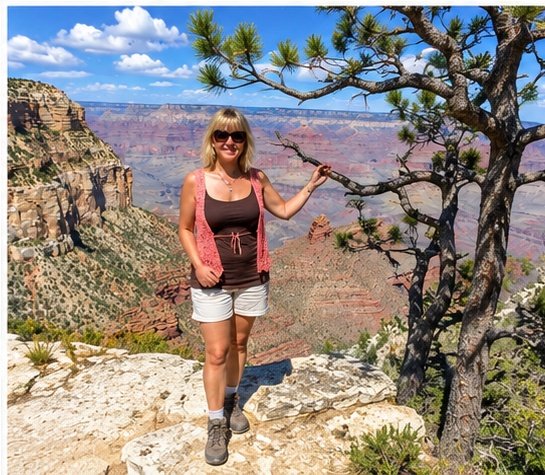
4. The new $100 nonresident entrance fee at 11 national park sites
Now comes the change that can have the greatest impact on an international visitor’s travel budget. Beginning in 2026, non-U.S. residents aged 16 and older must pay an additional $100 per person when entering 11 designated national park sites without a qualifying pass. This fee is charged on top of the regular entrance fee.
The affected parks are:
- Acadia National Park — Maine
- Bryce Canyon National Park — Utah
- Everglades National Park — Florida
- Glacier National Park — Montana
- Grand Canyon National Park — Arizona
- Grand Teton National Park — Wyoming
- Rocky Mountain National Park — Colorado
- Sequoia & Kings Canyon National Parks — California
- Yellowstone National Park — Wyoming, Montana, and Idaho
- Yosemite National Park — California
- Zion National Park — Utah
Let’s put this into perspective. Imagine two tourists from Poland arriving at the Grand Canyon in a rental car. The regular private-vehicle entrance fee is $35. Under the new rules, each adult must also pay the $100 nonresident surcharge. Their total entrance cost would be:
- Regular vehicle entrance fee: $35
- First adult’s nonresident fee: $100
- Second adult’s nonresident fee: $100
Total: $235 for one park visit.
And that’s before buying lunch, booking a hotel, or purchasing the inevitable Grand Canyon refrigerator magnet. However, if one of those travelers purchases a $250 Non-Resident Annual Pass, the pass can cover the applicable entrance and nonresident fees for both adults traveling together in the same private vehicle. For just $15 more than the single-park example, they could have annual access to thousands of participating federal recreation areas. Suddenly, the annual pass begins to look like a very sensible purchase.
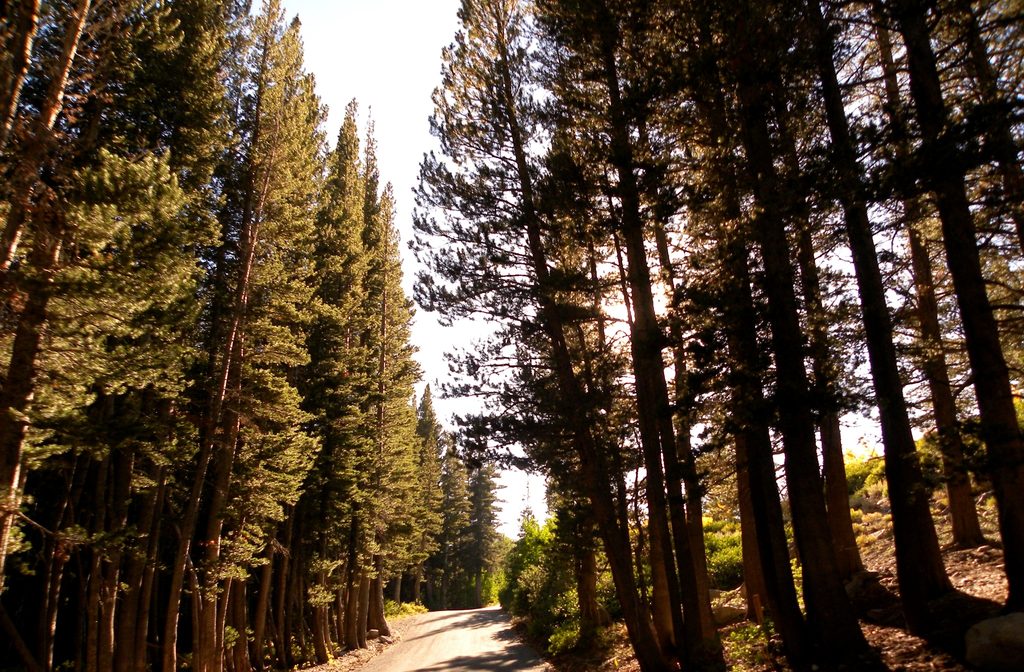
5. How much can you actually save?
Let’s imagine a couple visiting the American Southwest. Their itinerary includes three spectacular national parks:
- Grand Canyon National Park
- Zion National Park
- Bryce Canyon National Park
Without an annual pass, their estimated entrance expenses in 2026 would be:
| National park | Regular vehicle fee | Nonresident surcharge for 2 adults | Total |
|---|---|---|---|
| Grand Canyon | $35 | $200 | $235 |
| Zion | $35 | $200 | $235 |
| Bryce Canyon | $35 | $200 | $235 |
| Total | $105 | $600 | $705 |
With one $250 Non-Resident Annual Pass covering both adults, the total covered entrance cost becomes $250.
Total potential savings: $455.
And the pass remains valid for additional visits throughout its annual validity period. Of course, if your itinerary includes only parks without entrance fees, or parks that don’t charge the additional nonresident fee, purchasing the $250 pass may not make financial sense. The secret is to calculate your expected entrance fees before your trip.
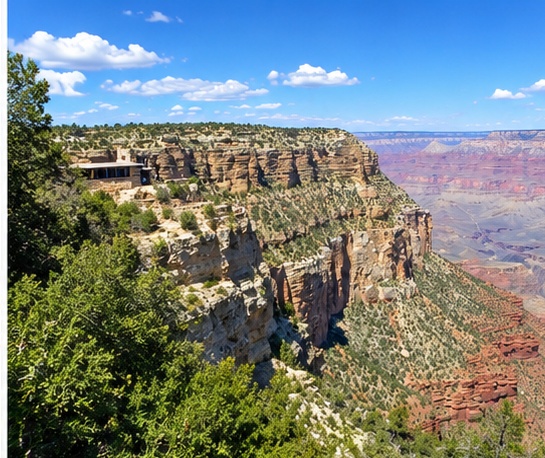
6. Does one America the Beautiful Pass cover the whole family?
Generally, yes, and this is one of its greatest advantages. However, coverage depends on how the recreation site charges admission.
At parks charging an entrance fee per private vehicle – one annual pass generally covers the passholder and the passengers traveling with them in the same private, noncommercial vehicle.
At parks charging admission per person – one pass generally covers the passholder and up to three additional adults, for a total of four adults. Children under 16 are admitted free.
Beginning in 2026, annual passes also cover two motorcycles under the applicable pass rules. Here’s an especially useful detail: a valid qualifying America the Beautiful Pass can cover applicable nonresident surcharges for accompanying travelers, even when the passholder is a U.S. resident. For example, imagine an American resident taking two relatives visiting from Poland to Yosemite. If they travel together in the same private vehicle and the resident holds a valid annual pass, the pass can cover the entrance fees and the relatives’ additional nonresident charges. That can mean substantial savings for families welcoming international visitors.
Remember: The passholder must be present. You cannot simply lend the pass to someone else.
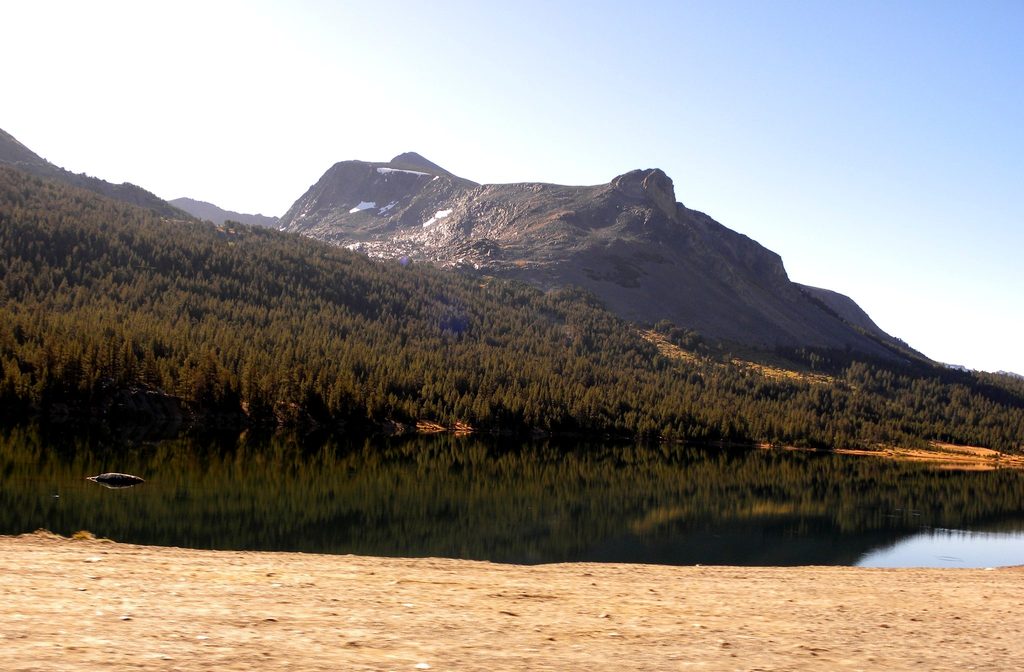
7. The important 2024 change: only one signature is allowed
Before 2024, America the Beautiful Annual Passes had two signature spaces on the back. This allowed two people to be listed as passholders under the previous system. Some travelers even purchased passes from people who had already used them, signing the second available space. That arrangement is no longer permitted. Beginning January 1, 2024, annual passes were redesigned to include only one signature line. The pass is issued to one passholder and is nontransferable.
This means:
- You cannot sell your pass to another traveler.
- You cannot give it to a friend to use independently.
- You cannot add a second passholder later.
- You must present identification when requested.
- The named passholder must be present when the pass is used.
Digital passes follow the same principle: they are issued to one named individual.
Our advice: Avoid purchasing supposedly unused or discounted annual passes from private individuals online. Even if the price looks attractive, you could arrive at a national park entrance and discover that the pass isn’t valid for you. And nobody wants to start a vacation with an argument at the entrance gate.
8. Which parks are NOT covered by the America the Beautiful Pass?
This is an important distinction that often confuses first-time visitors. The pass covers participating federal recreation sites. It does not automatically cover every beautiful natural attraction in the United States.
Native American Tribal Parks
Many extraordinary destinations are located on Native American tribal lands and are managed by tribal governments rather than the National Park Service.
Examples include:
- Monument Valley Navajo Tribal Park in Arizona and Utah. Famous for its towering sandstone formations and appearances in countless Western movies, Monument Valley is managed by the Navajo Nation. The America the Beautiful Pass is not accepted for its tribal park entrance fee.
- Antelope Canyon in Arizona. One of the most photographed slot canyons in the world, Antelope Canyon is located on Navajo Nation land. Visitors generally must join an authorized guided tour, which requires a separate payment.
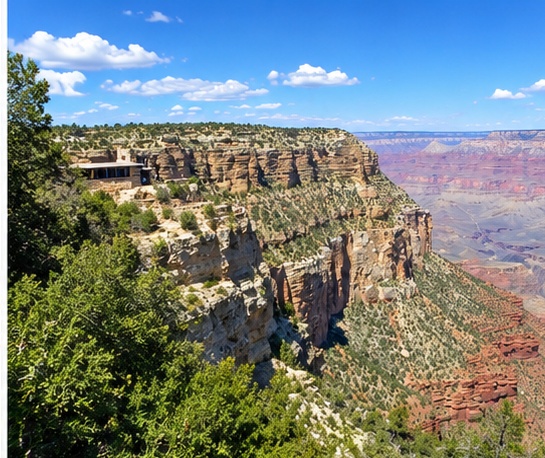
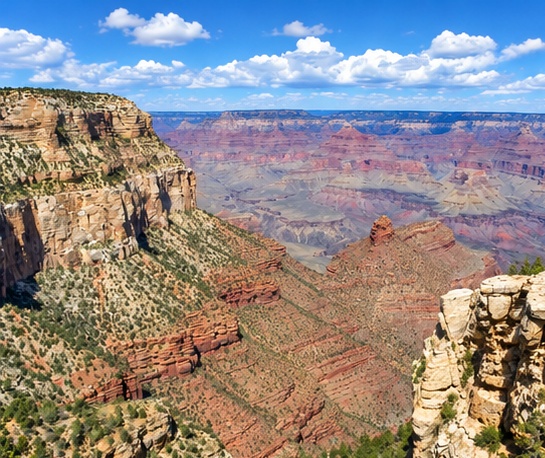
- Grand Canyon West and the Skywalk in Arizona. Grand Canyon West is operated by the Hualapai Tribe and is separate from Grand Canyon National Park. The America the Beautiful Pass does not cover admission to Grand Canyon West or the Skywalk. This is particularly important because visitors sometimes confuse Grand Canyon West with the South Rim of Grand Canyon National Park. They are different destinations, managed by different authorities, with different admission systems.
State Parks
The America the Beautiful Pass also does not cover state parks. Each state operates its own park system and may offer separate annual passes. For example, it cannot be used for regular admission to:
- Valley of Fire State Park in Nevada
- Dead Horse Point State Park in Utah
- Emerald Bay State Park in California
Travel tip: Before planning your route, check whether each attraction is a national park, state park, tribal park, or privately operated destination. This small distinction can make a big difference to your budget.
9. What does the Annual Pass NOT include?
Even at participating federal recreation sites, the annual pass doesn’t cover everything. Additional fees may apply for:
- Camping and RV hookups
- Boat launches and certain parking areas
- Special guided tours
- Cave tours and other recreational activities
- Timed-entry or vehicle reservations
- Special permits
- Ferry transportation
- Privately operated services and attractions
For example, if a national park requires a separate timed-entry reservation on your chosen date, having an annual pass doesn’t automatically guarantee entry. Likewise, the pass doesn’t entitle you to free accommodation, meals, or souvenirs.
10. Where can you buy the America the Beautiful Pass?
There are several convenient ways to purchase the pass.
Option 1: Buy it at a participating federal recreation site
For many travelers, this is the easiest solution. You can purchase an annual pass at participating national parks and other federal recreation sites that issue them. Simply ask for the appropriate America the Beautiful Annual Pass when you arrive. However, not every entrance station or recreation site sells every pass type, so check availability before traveling.
Option 2: Buy a physical pass online
You can order a physical pass through the official USGS Store: https://www.recreation.gov. The pass will be shipped to your selected address. This option works well for travelers who prefer having a physical card before leaving home. However, allow enough time for processing and delivery.
Important: An order confirmation or receipt is not a substitute for the actual physical pass. If your trip is approaching quickly, consider purchasing a digital pass or buying one at a participating park instead.
Option 3: Buy a digital pass
One of the most convenient developments is the availability of digital America the Beautiful Passes through: https://www.recreation.gov. Digital passes can be purchased online and used immediately. This is particularly useful for international travelers who don’t want to arrange overseas shipping or have a physical pass delivered to their first hotel. You can keep the digital pass on your phone and present it with the required identification. Since mobile reception can be unreliable in remote national parks, save your pass for offline access before leaving your hotel.
What about REI, Viator, and other sellers?
In previous years, travelers could find annual passes through outdoor retailers and third-party travel websites. However, with the 2026 changes, older advertisements and listings may show outdated prices, eligibility rules, or products. For that reason, we recommend purchasing directly through official federal channels or a currently authorized seller whose offering you have verified. Don’t rely on an old $79.99 listing when the pass you actually need may cost $250.
11. How long is the pass valid?
The annual pass is valid for 12 months from the month of purchase and expires on the last day of that same month the following year. For example: if you purchase your annual pass on June 12, 2026, it will expire on June 30, 2027. You can use it multiple times during that period at participating locations. This is especially convenient if you live in the United States and enjoy weekend road trips, or if you’re an international visitor planning more than one trip within the year. However, remember that the pass belongs to its designated passholder and cannot be transferred to another person.
12. What if you purchased your annual pass in 2025?
Here’s some good news for travelers who planned ahead. If you purchased an $80 America the Beautiful Annual Pass before January 1, 2026, and it is still valid, you generally do not need to replace it with the new $250 Non-Resident Annual Pass. The National Park Service confirms that valid older passes continue to be honored under their original terms. They also cover applicable nonresident fees for travelers included under the pass coverage rules. So, before purchasing a new pass, check whether your existing one is still valid. You might already have everything you need.
13. Are there special passes for seniors, military families, and people with disabilities?
Yes. The federal recreation pass program offers several special passes for eligible visitors.
Senior Pass
U.S. citizens and qualifying residents aged 62 or older can purchase:
- Annual Senior Pass: $20
- Lifetime Senior Pass: $80
The lifetime option is particularly attractive for people who expect to visit national parks regularly. Some Senior Pass holders may also receive discounts on certain recreation fees, including eligible camping fees.
Access Pass
Eligible U.S. citizens and residents with permanent disabilities may qualify for a free lifetime Access Pass.
Military Passes
Certain current military members, veterans, Gold Star families, and eligible dependents qualify for free annual or lifetime passes, depending on the program.
Fourth Grade Pass
Eligible U.S. fourth-grade students can participate in the Every Kid Outdoors program, which provides free access to participating federal recreation sites.
Always review the specific eligibility requirements before applying.
14. Can you visit National Parks for free in 2026?
Yes, but there is another important change. The National Park Service designates certain fee-free entrance days each year. Beginning in 2026, these designated fee-free days apply to eligible U.S. citizens and residents. International visitors who do not qualify must still pay the regular entrance fee and any applicable nonresident surcharge unless covered by a valid pass.
The 2026 fee-free dates are:
- February 16 — Presidents Day
- May 25 — Memorial Day
- June 14 — Flag Day
- July 3–5 — Independence Day weekend
- August 25 — National Park Service anniversary
- September 17 — Constitution Day
- October 27 — Theodore Roosevelt’s birthday
- November 11 — Veterans Day
These dates waive standard entrance fees for eligible visitors, but not necessarily reservation fees or charges for special activities. Also, many National Park Service sites never charge an entrance fee at all. So even without an annual pass, there are plenty of wonderful places to explore.
15. Is the America the Beautiful Pass worth buying in 2026?
The answer depends on where you’re going, how many people are traveling, and whether you qualify as a U.S. resident.
If you’re a U.S. resident:
At $80, the annual pass is usually a good investment if you plan to visit several fee-charging national parks or other participating federal recreation sites. For example, three parks charging $35 per vehicle would cost $105 in separate entrance fees. With the $80 annual pass, you would save $25 and still have the pass for future trips.
If you’re an international visitor:
The $250 pass can be especially valuable if your itinerary includes one or more of the 11 parks charging the additional $100 nonresident fee. A couple visiting just one of those parks could already face more than $200 in entrance and surcharge costs. Add a second park, and the annual pass can easily become the more economical option.
If you’re traveling with family or friends who live in the United States:
Check whether someone in your group already has a qualifying annual pass. If the passholder is traveling with you and the applicable coverage requirements are met, you may not need to purchase a separate pass.
If you’re visiting only one inexpensive federal recreation site:
Compare the individual entrance fee with the annual pass price. Sometimes paying the regular admission is the better choice. And if you’re visiting primarily state parks, tribal parks, or attractions that don’t charge entrance fees, the America the Beautiful Pass may not be necessary at all.
16. A few final tips before your National Park road trip
Before you leave, remember these simple suggestions:
- Plan your route first. Make a list of the national parks and other attractions you intend to visit.
- Calculate the entrance fees. Include any applicable $100 nonresident surcharges.
- Check your residency eligibility. Bring acceptable identification.
- Make sure your pass covers your travel companions. Pay particular attention if your group is traveling in multiple vehicles or on a commercial tour.
- Check reservation requirements. An annual pass does not replace a required timed-entry or activity reservation.
- Purchase through reliable sources. Official federal websites are the safest starting point.
- Keep your pass accessible. Have your physical card or digital pass ready at the entrance, along with identification.
- Check individual park websites. Entrance fees, seasonal access, road closures, and reservation requirements can change.
And one more suggestion: don’t try to squeeze five enormous national parks into three days. America’s national parks deserve more than a quick photograph through the car window. Give yourself time to stop, walk, explore, and appreciate what makes each place extraordinary.
Final thoughts: America’s natural wonders are still worth the journey
The new 2026 entrance rules have made national park travel more expensive for some international visitors. But that doesn’t mean exploring America’s natural treasures has to become unaffordable. With the right planning, a well-designed itinerary, and an appropriate America the Beautiful Pass, you can still experience some of the most spectacular landscapes on the planet without paying unnecessary entrance fees. Whether you’re watching the sunrise over the Grand Canyon, hiking beneath Yosemite’s granite cliffs, or standing among the ancient giants of Sequoia National Park, these are the kinds of experiences that stay with you long after your vacation ends. And while the entrance fee may have changed, one thing hasn’t. The feeling of standing in front of something so magnificent that, for a moment, you forget to reach for your camera.
Happy travels!
Updated October 2026. Information is based on official National Park Service and U.S. Geological Survey guidance. Fees, eligibility requirements, and reservation policies may change. Always check the relevant official website before traveling.
Official resources:
- National Park Service — Entrance Passes: https://www.nps.gov/planyourvisit/passes.htm
- National Park Service — Nonresident Fees: https://www.nps.gov/aboutus/nonresident-fees.htm
- National Park Service — Entrance Fees by Park: https://www.nps.gov/aboutus/entrance-fee-prices.htm
- USGS Official Pass Store: https://store.usgs.gov
- Recreation.gov: https://www.recreation.gov