Are you dreaming of moving to California and wondering how much of what you see in movies and TV shows is actually true? Would you fit right into the California lifestyle, or would you discover that it’s completely different from what you imagined? Rush or chill? Sunshine or rain? Slow food or fast food? Hybrids or muscle cars? East Coast or West Coast? For us, the answer to the last question is easy: Best Coast is the West Coast!
After living in Southern California for years, I’ve discovered that some of the stereotypes are surprisingly accurate. Others are exaggerated, outdated or simply wrong. So let’s separate California fact from California fiction.
1. You may not own an apartment, but you must own a car.
Mostly true.
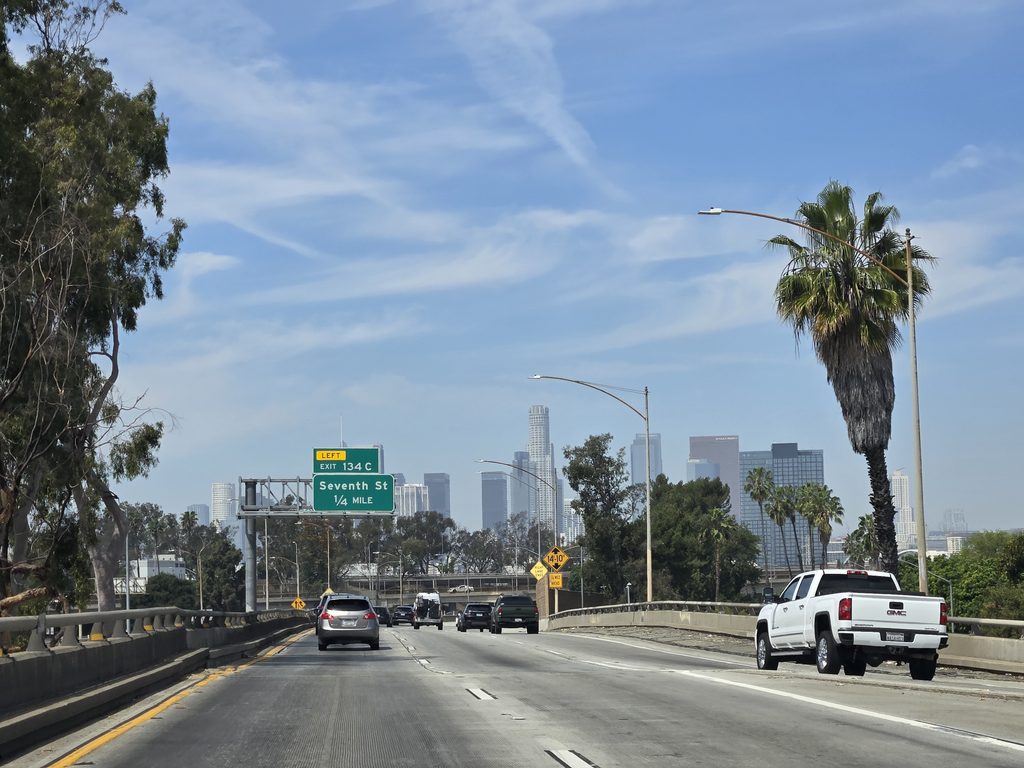
Living without a car in much of Southern California can be difficult. Distances are enormous, communities are spread out and many everyday destinations were designed with drivers rather than pedestrians in mind. Public transportation does exist—despite my occasional suspicion that it’s a little like a UFO: apparently people have seen it. But compared with many European cities, relying entirely on public transportation can make everyday life considerably more complicated. There are exceptions, of course. San Francisco has a much more extensive public transportation system, and some areas of Los Angeles are becoming easier to navigate without a car. But in much of Southern California? Having your own four wheels makes life considerably easier.
2. California has terrible traffic.
True.
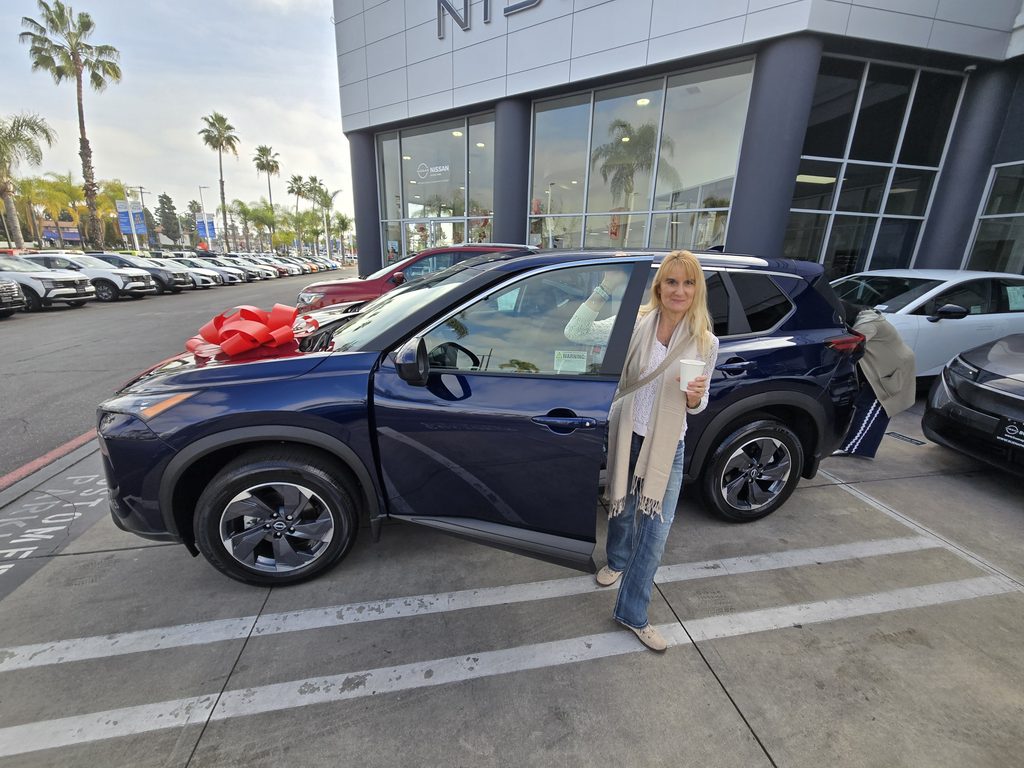
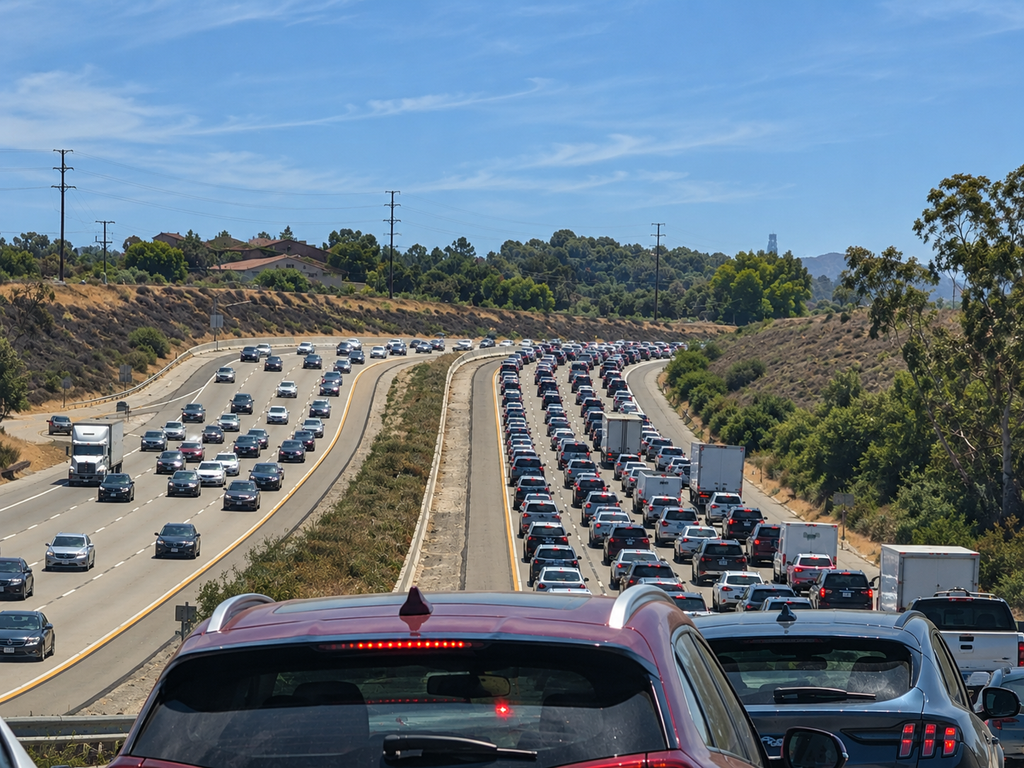
Anyone who has spent enough time on Southern California freeways will understand this one. Cars are everywhere. Many households own more than one, and long commutes are common. Rush hour can turn a relatively short drive into an expedition, and freeway entrances, exits and major interchanges can become especially congested. Then there is parking. On busy weekends, finding a parking space near beaches, shopping centers and popular tourist attractions can sometimes feel like a competitive sport. And parking itself can be expensive—particularly in central Los Angeles and around major events. Southern Californians eventually develop an entirely different understanding of the phrase “It’s only 20 miles away.” Twenty miles tells you almost nothing. What time are we leaving? That’s the important question.
3. Southern California is full of hybrids and electric cars.
True, but the picture has changed.
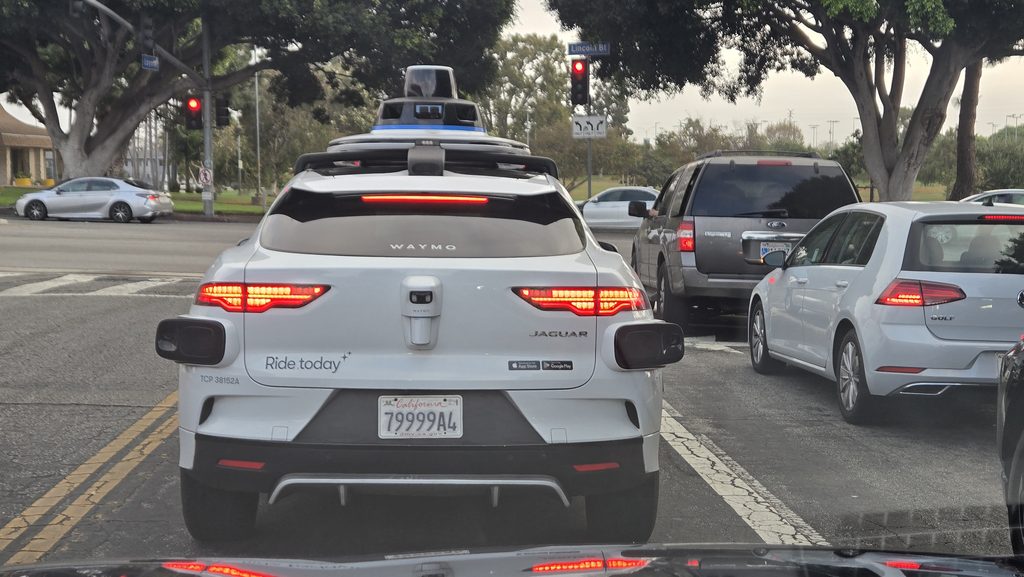
Toyota Priuses once seemed to be everywhere, and Southern California remains one of those places where hybrids and electric vehicles are extremely common. There are obvious reasons. Californians tend to be environmentally conscious, gasoline is expensive, and many people drive considerable distances. For years, qualifying clean-air vehicles could also use California carpool lanes with only one person inside, which made hybrids and electric cars even more attractive. That particular perk is now history. California’s Clean Air Vehicle decal program ended in 2025, so clean-air vehicles must now follow the same posted occupancy requirements as other cars. Still, electric and hybrid cars have become part of the Southern California landscape. Of course, they happily coexist with pickup trucks, sports cars, convertibles and beautifully restored classics. This is California, after all.
4. Everything has to be “eco.”
Exaggerated, but there’s definitely some truth to it.
California takes environmental issues seriously, and words such as organic, plant-based, vegan, sustainable and gluten-free appear everywhere. People pay attention to ingredients, food labels and where their food comes from. Farmers markets are popular, reusable water bottles are practically accessories, and healthy eating has become part of the Southern California lifestyle. And then there is hydration. Water bottles are everywhere. Considering our climate, that’s probably one California habit worth copying. “Stay hydrated” may be one of the most useful pieces of advice you’ll hear here.

5. Californians are obsessed with avocado, kale, quinoa and every new superfood.
Pretty much true.
When Southern California discovers a food trend, it embraces it enthusiastically. Avocado appears on everything imaginable. Smoothie and juice shops are everywhere. Kale has somehow managed to become chips. Açai bowls became breakfast. Quinoa escaped from the health-food aisle and entered everyday menus. Some trends disappear. Others become permanent parts of California food culture. But avocado? I don’t think California is ever giving that one back.

6. Californians live on burgers.
Myth.
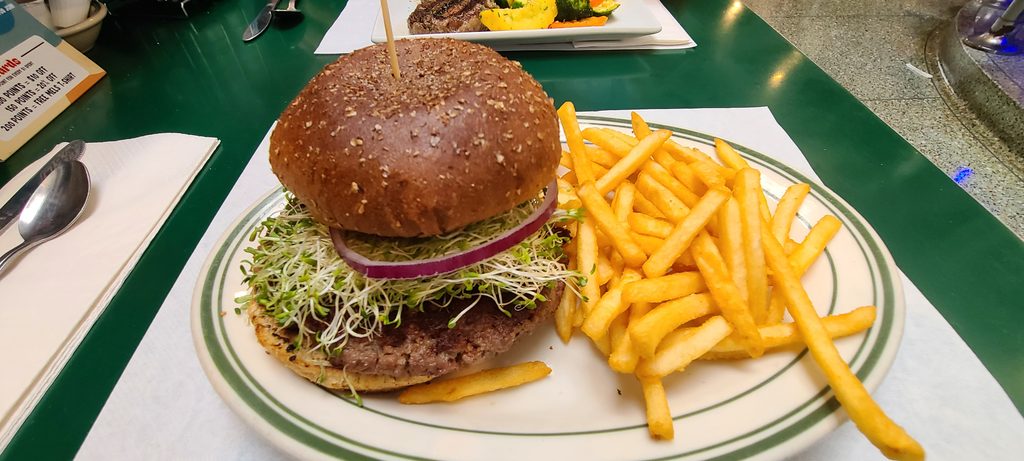
If I had to choose one cuisine that truly defines Southern California, I wouldn’t choose hamburgers. I’d choose Mexican food. Tacos, burritos, tortillas, salsa and guacamole are part of everyday life here, and some of the best food can come from the most unassuming little restaurants and taco stands. I personally love good, authentic Mexican food. And living this close to Mexico means Southern California is a wonderful place to explore it.
7. Californians eat out all the time.
There’s some truth to this one.
Eating out, ordering food and grabbing something on the way home are deeply embedded in Southern California life. But eating well doesn’t necessarily mean going to an expensive restaurant. Some of California’s most memorable food comes from small family restaurants, food trucks, taco stands and old-school diners. And then there is In-N-Out Burger. Its menu is famously simple, and the chain has become part of California culture. As a pescatarian, I’m probably not the person who should decide whether its burgers deserve their legendary reputation. You’ll have to conduct that scientific investigation yourself. In-N-Out began in California and for decades remained strongly associated with the state, but it has expanded considerably and now operates in several states across the West and beyond.

8. California has no seasons.
True and false.
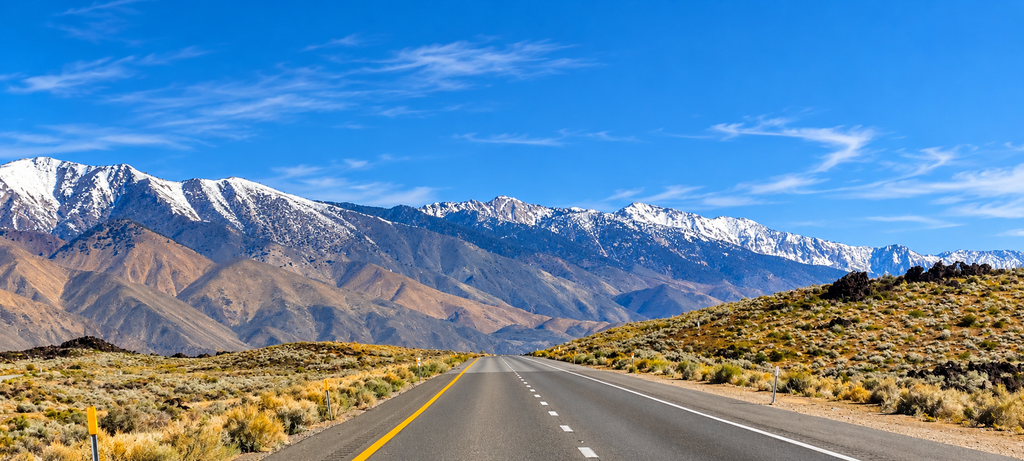
If you live where I do in Orange County, sometimes it certainly feels that way. We basically have warm, warmer and occasionally “Where did this rain come from?” But California is enormous and geographically diverse. The Sierra Nevada receives significant snowfall, mountain roads can become buried in winter, and California has plenty of ski resorts. I’ve experienced snow in places where someone imagining stereotypical California would never expect it. That’s one of the wonderful things about living here: in Southern California, you can spend the morning near the ocean and, under the right winter conditions, reach snow in the mountains a couple of hours later. Beaches and ski slopes in the same weekend? Absolutely possible.
9. One week is enough to see California.
Definitely a myth.
California is huge. And size alone doesn’t tell the whole story. Mountains, deserts, enormous metropolitan areas and winding coastal roads mean that traveling between attractions can take much longer than a map initially suggests. Los Angeles, San Francisco, Yosemite, Sequoia, Death Valley and Joshua Tree may all be in the same state, but they certainly aren’t in the same neighborhood. Can you technically drive through several of them in a week? Yes. Will you actually experience them? That’s another question. California rewards slow travel. If you have only seven days, choose a region rather than trying to collect the entire state.

10. You must smile.
True. Or at least it often feels that way.
“How are you?” “What’s up?” You’ll hear these questions everywhere—from cashiers, coworkers, neighbors and sometimes complete strangers. Nobody necessarily expects your entire life story. Usually the ritual is simple: “Good! How are you?” Smile and continue with your day. Coming from Europe, this kind of casual friendliness can initially seem unusual. Eventually, you may find yourself doing exactly the same thing. A smile costs nothing, relieves tension and can make somebody’s day a little better.

11. Nobody walks in L.A.
Both true and false.
When I lived in Poland, I could walk to many everyday places: the grocery store, post office or doctor’s office. When we first moved to Orange County, I quickly discovered that destinations that looked nearby on a map weren’t necessarily practical to reach on foot. Southern California was largely built around cars. But saying Californians don’t walk is ridiculous. People hike constantly. They run. They walk dogs. They cycle. We have beautiful trails along the coast and throughout the hills. Griffith Park alone offers miles of hiking trails in the middle of Los Angeles. So perhaps the stereotype should be rewritten: Californians don’t necessarily walk somewhere. They drive somewhere so they can go for a walk. Yes, I realize how absurd that sounds. Welcome to Southern California.
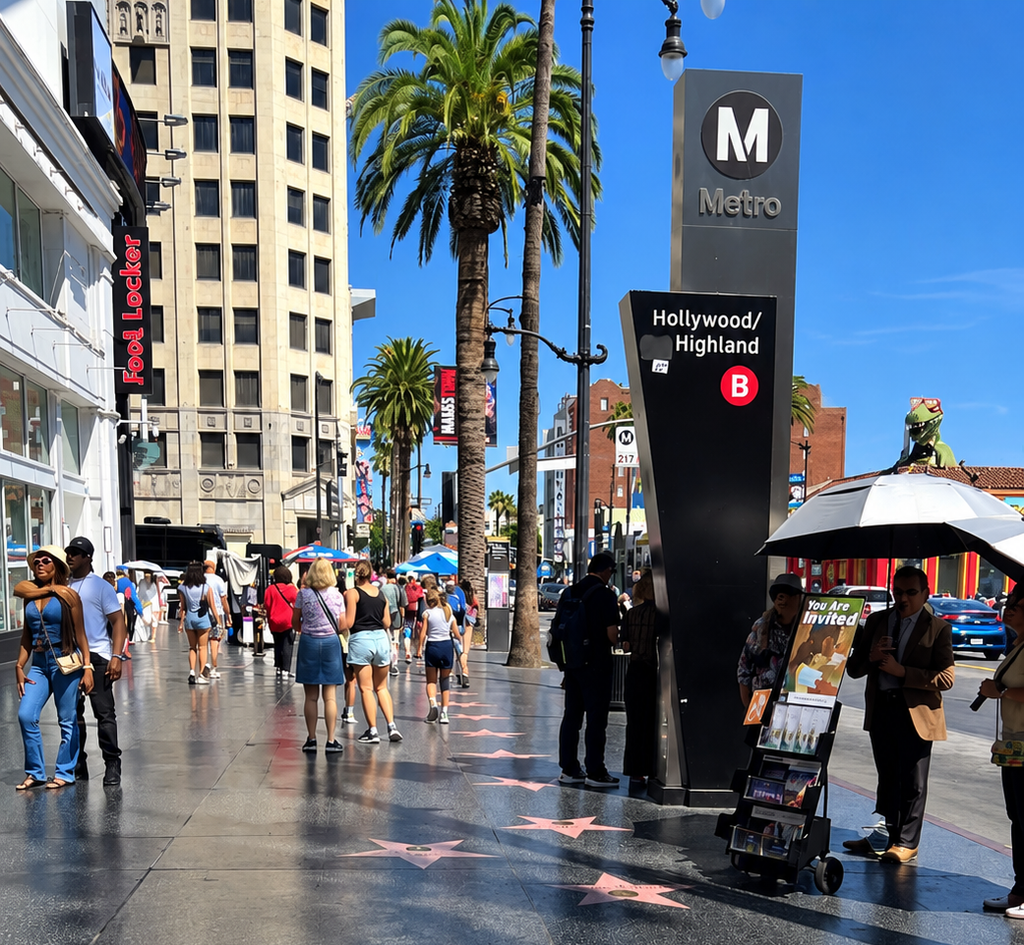
12. People go shopping in pajamas.
A little bit of a myth.
I’ve seen it. But not nearly as often as popular stereotypes might suggest. What is absolutely true is that Southern California is casual. Leggings, yoga pants, shorts, sneakers and flip-flops are everyday clothing, and nobody seems particularly interested in judging what somebody else chose to wear to buy groceries. That casual attitude is one of the things I like about California. Individualism is celebrated here, and people generally have considerable freedom to simply be themselves. I still don’t go grocery shopping in my pajamas, though. Some European habits apparently die hard.

13. Life in California is cheap.
One of the biggest myths of all.
California – particularly coastal Southern California – is expensive. Housing is usually the shock. Rent can consume an enormous portion of your income, and buying a home in many desirable communities can be financially challenging. Someone moving here on a modest income may need roommates or may have to live farther away and commute. Some things may seem relatively affordable compared with Europe, while others definitely don’t. But nobody should move to coastal California expecting inexpensive living.
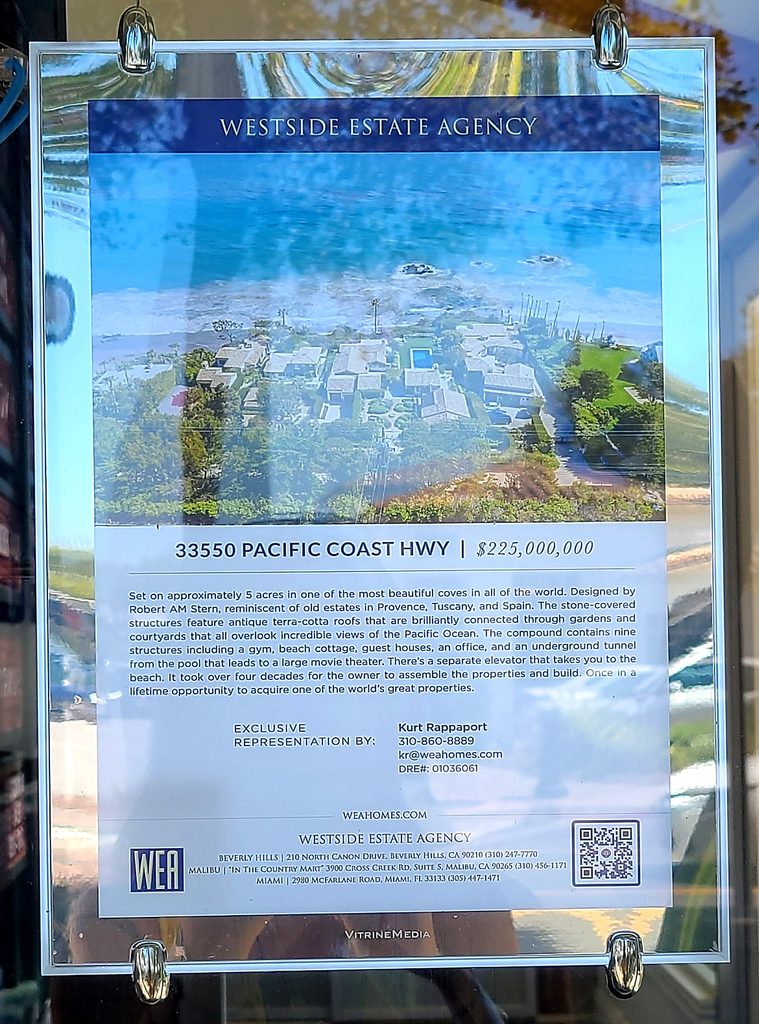
14. So California is simply too expensive to be worth it.
That’s more complicated.
Californians sometimes joke that we’re paying a “sunshine tax.” Housing is expensive, gasoline can be expensive, and many everyday costs add up quickly. But what are you paying for? The Pacific Ocean. Mountains. Beaches. Incredible vegetation. Outdoor activities throughout most of the year. Hiking, cycling, surfing and skiing. Restaurants representing cuisines from all over the world. Concerts, museums, film premieres, sporting events and endless possibilities for weekend trips. Whether that’s worth the price is a personal decision. For me, quality of life isn’t measured only by the cost of rent or a mortgage. It’s also measured by what waits outside your front door.
15. Marijuana is legal in California.
True – with rules.
California legalized recreational cannabis for adults aged 21 and older in 2016. That doesn’t mean you can smoke it wherever you want. There are restrictions on where cannabis can be used, and local regulations also matter. But yes, recreational cannabis is legal under California state law. And depending on where you are, you may occasionally smell the evidence.

16. Californians don’t like New Yorkers.
Mostly a joke, but with a tiny grain of truth.
The California–New York rivalry is really a clash of stereotypes. New Yorkers sometimes see Californians as excessively cheerful, laid-back or superficial. Californians sometimes interpret New York directness as impatience or rudeness. We smile and say hello – they honk. I’m kidding. Mostly.
The two places simply have different rhythms. Different styles of communication, different attitudes toward work and leisure, different weather and very different ways of moving through everyday life. And naturally, both sides are absolutely convinced that they’ve figured out the correct way to live.
As for us? Best Coast is still West Coast.

17. Everyone in California speaks English.
English is dominant, but Southern California is wonderfully multilingual.
Spanish is everywhere. You’ll hear it in stores, restaurants, workplaces, schools and neighborhoods, and switching naturally between English and Spanish is common. Southern California’s linguistic diversity goes far beyond those two languages as well. Depending on the neighborhood, you’ll hear Korean, Vietnamese, Chinese languages, Tagalog, Persian and many others. For someone who loves languages, Southern California can be fascinating. And yes, Spanglish is very real.
18. Californians are obsessed with saving water.
There’s a reason for that.
California has experienced repeated droughts, and water conservation has become part of everyday life. We’re encouraged to take shorter showers, turn off the tap while brushing our teeth, use water-efficient landscaping and avoid unnecessary outdoor water use. California has moved beyond treating conservation only as a temporary response to drought; water efficiency is increasingly considered a long-term part of life in the state. When you live in a place where water is precious, wasting it starts to feel very different.
And that may be one California habit worth taking home with you.